
About Rodent Removal Tampa
One phone number, answered around the clock, that puts a Tampa homeowner in front of a licensed rodent contractor with a free inspection and an itemized quote.
- Downtown office, Rivergate Tower
- Hillsborough County coverage
- Licenses you can verify
What the phone line is for
A dispatcher picks up at any hour, and that first conversation is where the job takes shape. What you can hear, the part of the house it comes from, the time of day it starts, and how long it has been going on. Those four answers usually settle the species before a truck leaves, and they set whether the visit is an ordinary roofline inspection or one that has to be moved up the list.
From there the nearest licensed contractor is lined up for a free inspection. The inspection is the product: a walk of the roofline, the attic, the interior signs and the exterior harborage, with every opening recorded and photographed, and an itemized quote written from it with trapping, sealing and cleanup on separate lines.
The office is at 400 N Ashley Dr, Suite 1900, in the Rivergate Tower downtown. Written contact goes through the form on the contact page; nothing is quoted from a form alone.
What to expect on the job
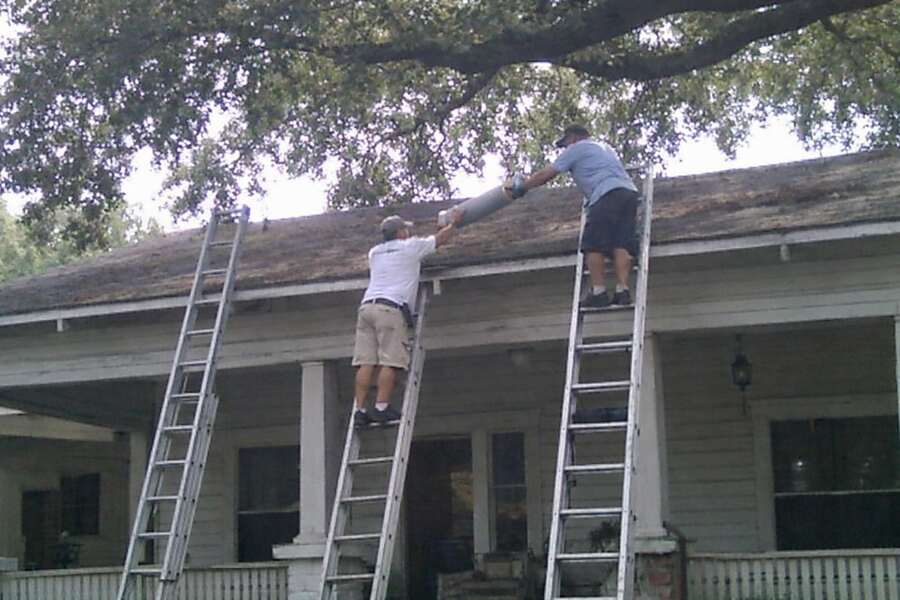
Expect a ladder at the eave before anyone goes into the attic, because on a Tampa house the way in is above head height. Soffit returns, gable and off-ridge vents, the eave course of a tile roof and the sleeves where AC lines pass through block are checked first, then the attic for droppings, rub marks and disturbed insulation.
Expect the sealing to be discussed before it is sold. Steel hardware cloth at the quarter-inch standard, sheet metal and, on tile, a code-approved bird stop along the eave are the materials that hold; expanding foam on its own is the thing a cheap quote usually means. Expect traps to stay put for at least a week, since UF/IFAS notes roof rats are wary of new objects, and expect the last openings to be closed only after the activity stops.
Expect plain talk about how long it takes. National cost guides put trapping a handful of animals at two to three days and a severe infestation at one to two months, and the sealing is what gives that timeline an end.
The licenses to check before work starts
Rodent work in Florida is regulated by the Florida Department of Agriculture and Consumer Services. Trapping rats or mice in, on or under a structure for hire requires at minimum an FDACS Limited Commercial Wildlife Management certificate. Applying rodenticide or running a general pest control business requires a Commercial Structural Pest Control business license with a certified operator in General Household Pest and Rodent Control. The Florida Fish and Wildlife Conservation Commission does not license rat and mouse trappers.
Every contractor we route holds the credential the job needs. Ask whoever attends for the license number and confirm it through the FDACS license lookup, and ask to see proof of insurance. Advice about verifying a license is sound from any source, and a contractor who hesitates at the question has told you something.
Tampa homeowners add three of their own. What falls inside the quoted figure and what gets billed separately. How many return visits are included before extra charges start. And what the contractor commits to if rodents come back through an opening that was sealed.
Where contractors are dispatched
Tampa and the rest of Hillsborough County. The oak-canopy districts of Seminole Heights, Tampa Heights, Hyde Park and South Tampa produce the most roof rat calls, and the newer block and stucco subdivisions of New Tampa, Westchase and Riverview produce a different inspection with tile eaves and ridge gaps at the center of it. Each has its own page under locations.
Commercial properties near the port and the older waterfront, where Norway rats burrow, are covered under commercial rodent control.
What the call gets you
A dispatcher, then a licensed contractor
The call is answered around the clock by a dispatcher whose job is to work out what has happened at the property and line up the nearest contractor with the right FDACS credential. You get a name, a window for the free inspection and, after it, a written quote with every line separated. Nothing is sold over the phone.
Phone answered 24 hours a day
The roofline is the job
On a slab-on-grade Tampa house with a vented attic, the openings are at the eave: soffit returns, gable and off-ridge vents, tile eave courses without a bird stop, and the sleeves where AC lines pass through block. UF/IFAS puts the rat-proofing standard at a quarter inch, and that is the standard the sealing is checked against.
Quarter-inch rat-proofing standard, UF/IFAS
Plain numbers before the visit
Angi's Tampa figures and HomeGuide's national guides are printed on every service page, framed as typical-job bands and confirmed at the free inspection. A homeowner who knows that Tampa exclusion typically lands between $550 and $1,642 can tell a fair quote from a padded one, and can ask why a figure sits outside the band.
Tampa exclusion $550 to $1,642, Angi
What happens after you call
Five steps, the same on every job, with the sealing in the middle where it belongs.
-
Call and describe it
Where the noise is, what time of day, how long, and what you have seen. That narrows the species before anyone drives out.
-
Free inspection
Roofline, attic, interior and exterior harborage walked and photographed, with every opening recorded and an itemized quote written.
-
Seal the unused openings
Steel mesh, sheet metal and bird stops close everything except the runs currently in use, so nothing gets shut inside.
-
Trap the animals still inside
Snap traps in the active runs, left in place at least a week because roof rats are wary of new objects, checked and reset.
-
Close the last runs and restore
Once activity stops, the final openings are sealed and the attic is cleaned or re-insulated where the damage calls for it.
What to expect
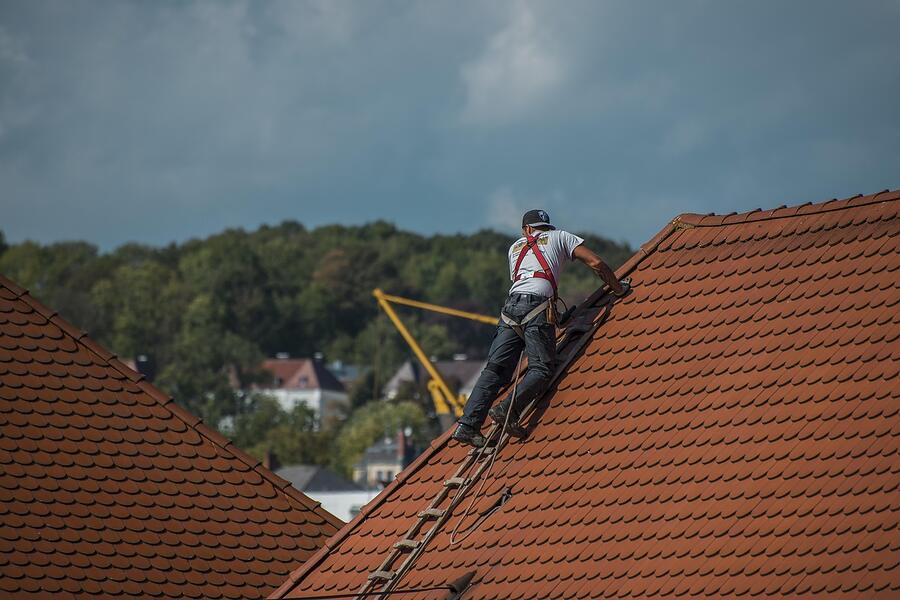
The visit follows a fixed order, so the sealing never gets skipped when the house is chaotic.
- A call back from a dispatcher to confirm the address and what you are hearing
- A contractor at the roofline with a ladder and a flashlight, then in the attic
- A written, itemized quote before any work is agreed
- Traps checked on a schedule and openings closed in sequence
- A final walk of the roofline with you before the job is called done

Ready to stop the scratching?
Call at any hour, or send the form and a dispatcher calls back to book the free inspection.