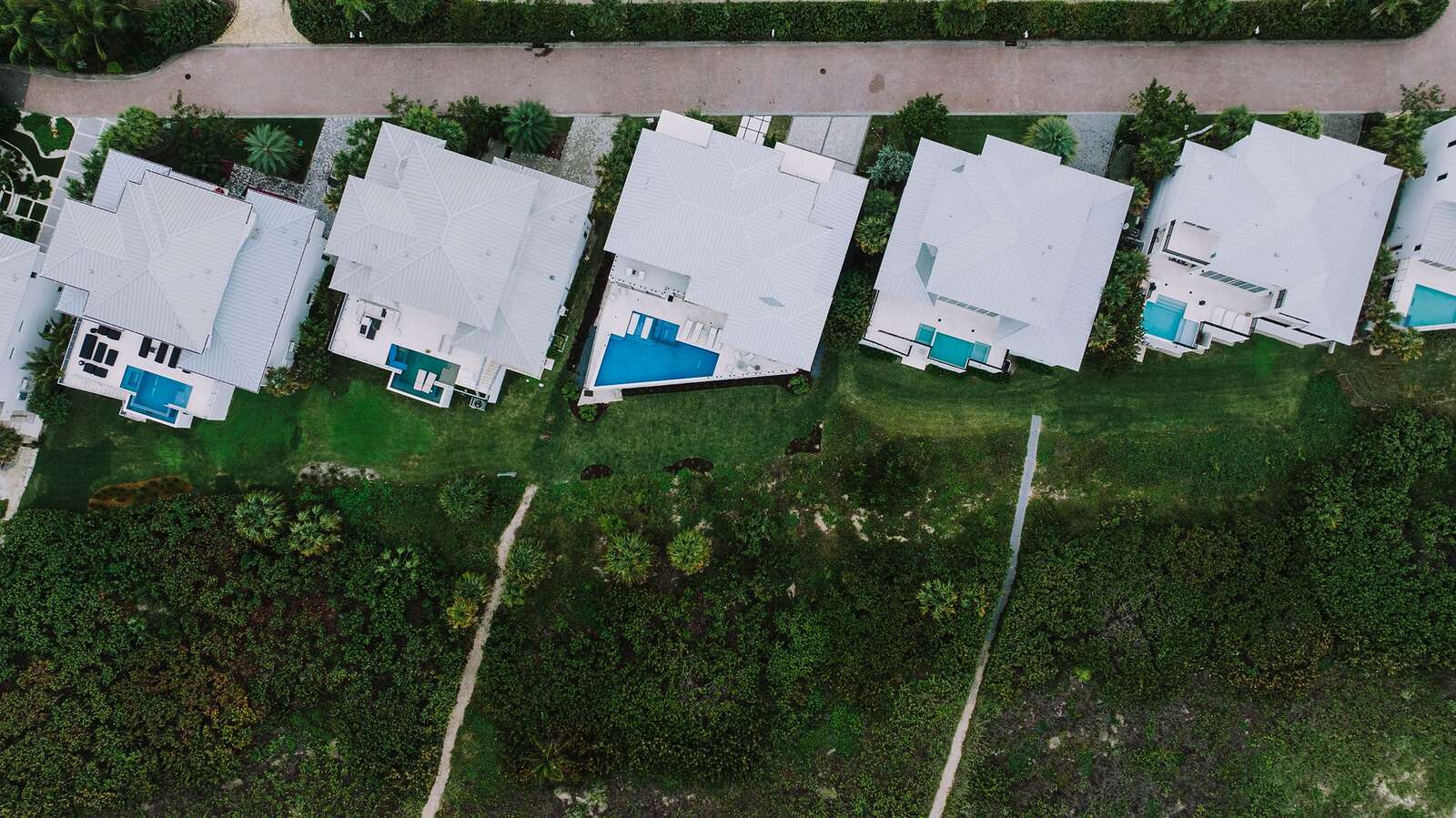
Rodent Removal in Apollo Beach, FL
Apollo Beach is fifty-odd miles of dredged canal on the east shore of Tampa Bay, so a rat at the seawall is as common a call as a rat in a tile-roof attic. The free inspection covers both and the quote is itemized.
- Free seawall-to-ridge inspection
- Phone answered 24 hours
- FDACS-licensed contractors routed
Free Inspection in Apollo Beach
A free inspection in Apollo Beach runs from the seawall to the ridge, because a canal-front lot gives a rat harborage at the water and a way in at the roof. Whoever attends walks the seawall cap, the riprap and the dock for burrows and runs, checks the lanai and pool-equipment penetrations, the garage door seals and the line set at ground level, then goes up to the tile eaves, soffit returns and off-ridge vents and into the attic to read the droppings. On the newer subdivisions inland the ground-level work is shorter and the roofline gets the attention. What comes back is a quote that prices the water-side work, the roof work and any cleanup as separate items.
Apollo Beach is about seventeen miles south of the Tampa office down I-75 or US 41, in southern Hillsborough County, and the phone is answered 24 hours a day. Every contractor we route holds the FDACS credential the job needs, and you can confirm it through the FDACS lookup before work starts. Book a free inspection and whoever attends will start at the seawall.
Canal-front homes, seawalls and riprap as harborage
The seawall is where an Apollo Beach rat problem usually starts. The community was dredged out of bay-front farmland from the late 1950s onward into a grid of roughly fifty-five miles of man-made canals that open to Tampa Bay, and the houses along them sit on fill behind seawalls, with docks, lifts, riprap at the corners and a lanai on the water side. That edge is the Norway rat's habitat: a burrower and swimmer that digs under a seawall cap, into the gap behind a failing wall, or into a pile of riprap, and comes to the house at ground level through the garage door seal, the pool-equipment pad or a pipe chase. Roof rats use the same lot from above, along the dock lines, the fence and the palms to the eaves.
A canal-front inspection has two halves. At the water the contractor we route looks for burrow openings along the wall, runs through the riprap and droppings on the dock, and at the house closes every ground-level opening to the quarter-inch standard UF/IFAS gives for rat-proofing, with steel mesh and sheet metal. Trapping runs at both levels. Rodent exclusion on a canal lot is a longer list than on an inland house, and each item is priced on its own line so the seawall work shows separately from the roof.
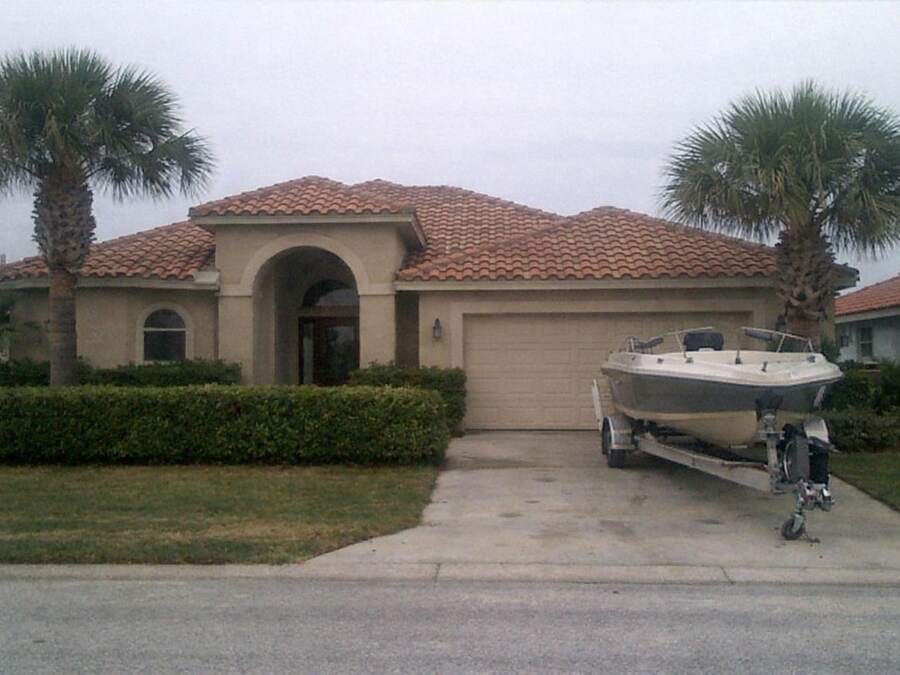
Tile roofs in the newer subdivisions
Away from the original canals, Apollo Beach is new construction, and its rats come in at the tile eave. The population nearly doubled between the 2010 and 2020 censuses as the master-planned communities south and east of the canal grid built out, one of them a 750-acre bayfront project with a large lagoon and new vinyl seawalls along miles of older canal, another a 2,350-acre project planned for thousands of homes. The houses are block and stucco on slab with vented attics and, on a large share of them, barrel or flat concrete tile. A tile roof has an open course under its first row unless a bird stop was fitted, a named code-approved metal closure, typically 26 gauge galvanized or aluminum and sometimes ventilated with weep holes, that the Department of Energy lists among its recommended tile-roof measures. Builders leave it out or fit it badly, and it corrodes in bay air.
With little canopy in a new subdivision, the pressure on the roof is lower than in an old Tampa neighborhood, and a rat still finds the eave from a fence line, a pool cage or the lanai frame. Roof rat removal handles the attic, and the sealing fits the manufactured metal closure the length of both eaves and screens the soffit returns, off-ridge vents and line set in steel. Two-story elevations get the high gable vents checked from a ladder, since nobody has looked at them since the builder handed over the keys.
The surge on Tampa Bay after Helene and Milton
The 2024 storms put bay water into Apollo Beach houses and rats followed the damage. Helene's surge came up the canals in September 2024; major news reported a canal-front resident watching six inches of water become four feet inside the house, appliances ruined and the pool full of canal water, and flooding of four to seven feet reported from Apollo Beach up through Riverview. The county set up a comfort station at Apollo Beach Park, the wastewater pumping system for Apollo Beach and Ruskin was damaged, and the county's residential damage estimate for the storm ran to the billions. Milton followed two weeks later with wind gusts above ninety miles an hour that stripped roofs, and the county has since funded work that includes clearing debris from the canals that carry water to the bay.
After both storms Tampa Bay pest firms said rodent calls climbed, repeating what they saw after Ian and Irma: surge pushes Norway rats out of seawall burrows and ground cover, wind damage opens tile eaves and soffits to roof rats, and the debris piles at the curb and along the canals become harborage. The Department of Energy documents storms breaking and displacing roof tiles with one broken tile cascading into others, and the CDC ties leptospirosis increases to hurricanes and floods, names rodents among the reservoirs, and recommends rodent control as post-flood prevention. A post-storm rodent inspection covers the seawall, the gutted ground floor and the roof on a house still in repair, and the contractor we route seals what the storm opened before the walls close.
What We Handle in Apollo Beach
Apollo Beach jobs run from the seawall to the ridge, and the contractor we route handles Norway rats at the water and roof rats in the tile-roof attic on the same visit.
- Roof rat removal: trapping in the attics of the tile-roof subdivisions and the canal-front two-stories.
- Rodent exclusion: bird stops the length of the tile eaves, steel at soffit returns and vents, and ground-level closures at the garage, lanai and pool-equipment pad on a canal lot.
- Rodent inspection: free, covering seawall, riprap, dock and roofline, with each opening listed and photographed.
- Post-storm rodent inspection: for canal-front houses gutted after Helene and roofs that lost tile in Milton.
- Attic cleanup: contaminated insulation out of a new-build attic, the space treated, a written record kept.
- Dead rodent removal: a carcass in a block wall or under a lanai slab traced by smell and removed.
- Rodent clearance letters: a written result for a canal-front sale where the buyer's inspector found droppings in the attic.
A Typical Apollo Beach Job
The situation: A common Apollo Beach call comes from a canal-front house on the original grid where the owner has seen a rat run along the seawall cap at dusk and, a week later, heard something in the ceiling over the lanai. The house was flooded in Helene, the ground floor was gutted and rebuilt over the winter, and the riprap at the corner of the seawall has slumped since the storm. The owner has stopped using the lanai at night and is embarrassed to have guests over.
What gets done: The free inspection finds a burrow opening behind the slumped riprap, a chewed corner on the garage door seal, and roof rat droppings, a quarter to half an inch long with pointed ends, in the attic above the lanai where the tile eave has no bird stop. The contractor we route sets traps at the seawall and in the attic, replaces the garage seal, closes the pool-equipment penetrations in steel mesh, fits the metal eave closure the length of the water-side roof, and recommends the riprap be reset so it stops holding a burrow. Traps stay at least a week, as UF/IFAS advises.
How it turns out: Catches at the seawall stop first and the attic goes quiet inside two weeks; the follow-up visit finds no new droppings, and the owner gets a written list of the closures at both levels. The lanai is back in use, and the seawall is a wall again.
What This Costs in Apollo Beach
An Apollo Beach rodent job prices inside the published Tampa area and national bands, with a canal lot usually carrying more sealing lines than an inland house because of the ground-level work at the water.
| Work | Tampa area (Angi) | National (HomeGuide 2026) |
|---|---|---|
| Inspection on its own | Free through the call | $0 to $175 |
| Trapping and removal | $1,078 on average per visit; typical range $441 to $1,716 | $250 to $1,200 |
| Full-home exclusion | $550 to $1,642 | $500 to $2,500 |
| Attic cleanup and decontamination | $600 to $2,500 | |
| Insulation out and replaced | Removal $600 to $1,200; replacement adds $1,000 to $3,000 | $2.50 to $5.50 per sq ft |
| Dead rodent removal | $150 to $500 |
The free inspection is where the bands become a figure for your lot. Ask whoever attends to show the seawall and ground-level work as separate lines from the roof, to state how many follow-up visits are included, and to put the warranty terms on the sealing in writing before the job starts.
Keeping rodents out once they are gone
Three approaches, and why sealing is the one that lasts.
Video: 3 Ways To Get Rid Of Mice or Rats, And Keep Them Out!, from Everything Homestead.
Common Questions in Apollo Beach
What callers from Apollo Beach ask before booking.
Canal lots and the water
Are the rats at my seawall the same ones in my attic?
Usually they are two species, and an Apollo Beach canal lot can have both. A rat seen along the seawall cap or coming out of the riprap at dusk is most often a Norway rat, a burrower and swimmer that lives at the water and enters the house at ground level. Noise in the ceiling is almost always a roof rat, which UF/IFAS describes as a climber that reaches the eaves along fences, dock lines and palms. The free inspection sorts them by droppings and entry point, and the plan closes both levels, because sealing the roof alone leaves the garage and lanai open to the burrower.
Why do I have rats after the flooding?
Surge pushes rats out of seawall burrows and ground cover and storm damage opens houses, so the months after Helene and Milton put displaced animals against damaged buildings all along the canals. Pest firms across the bay area saw calls climb after each storm, as they did after Ian and Irma. A gutted ground floor, a garage without its seal and a debris pile at the curb are an open invitation. The CDC recommends rodent control as part of post-flood prevention because of leptospirosis, which is the reason to inspect before the drywall goes back.
Roofs and timelines
What keeps rats away permanently on a tile-roof house?
Closing the tile eave with a manufactured metal bird stop and screening every other opening in steel to the quarter-inch UF/IFAS standard keeps rats out for good; trapping alone catches rats for as long as you keep setting traps. On a newer Apollo Beach house that means the eave closure the length of both sides, steel mesh at the soffit returns, gable and off-ridge vents, a collar at the line set, and a new garage door seal. Expanding foam in the eave lasts a season. The contractor we route lists each closure in writing, so ask for that record and the warranty terms.
How long does it take to get rid of rats in Apollo Beach?
A house with a few rats usually clears in two to three days of trapping once it is sealed, and a heavy infestation can take one to two months, on HomeGuide's published figures. A canal lot can run longer at the water side, because the seawall keeps supplying Norway rats until the burrow is dealt with and the ground-level openings are closed. Roof rats avoid new objects, so UF/IFAS advises leaving traps at least a week. The job ends with a follow-up that finds no fresh droppings at either level, and that visit belongs in the quote.
Still have a question? Call (813) 710-4931 and ask.
Nearby Areas We Serve
The same contractors cover the towns around Apollo Beach, and the service area is the whole of Hillsborough County.
Book a Free Inspection in Apollo Beach
From the seawall to the tile ridge, the inspection is free and the quote shows the water-side work and the roof work on separate lines. The phone is answered 24 hours a day, and Apollo Beach and southern Hillsborough County are inside the service area.