Rodent Removal in Westchase
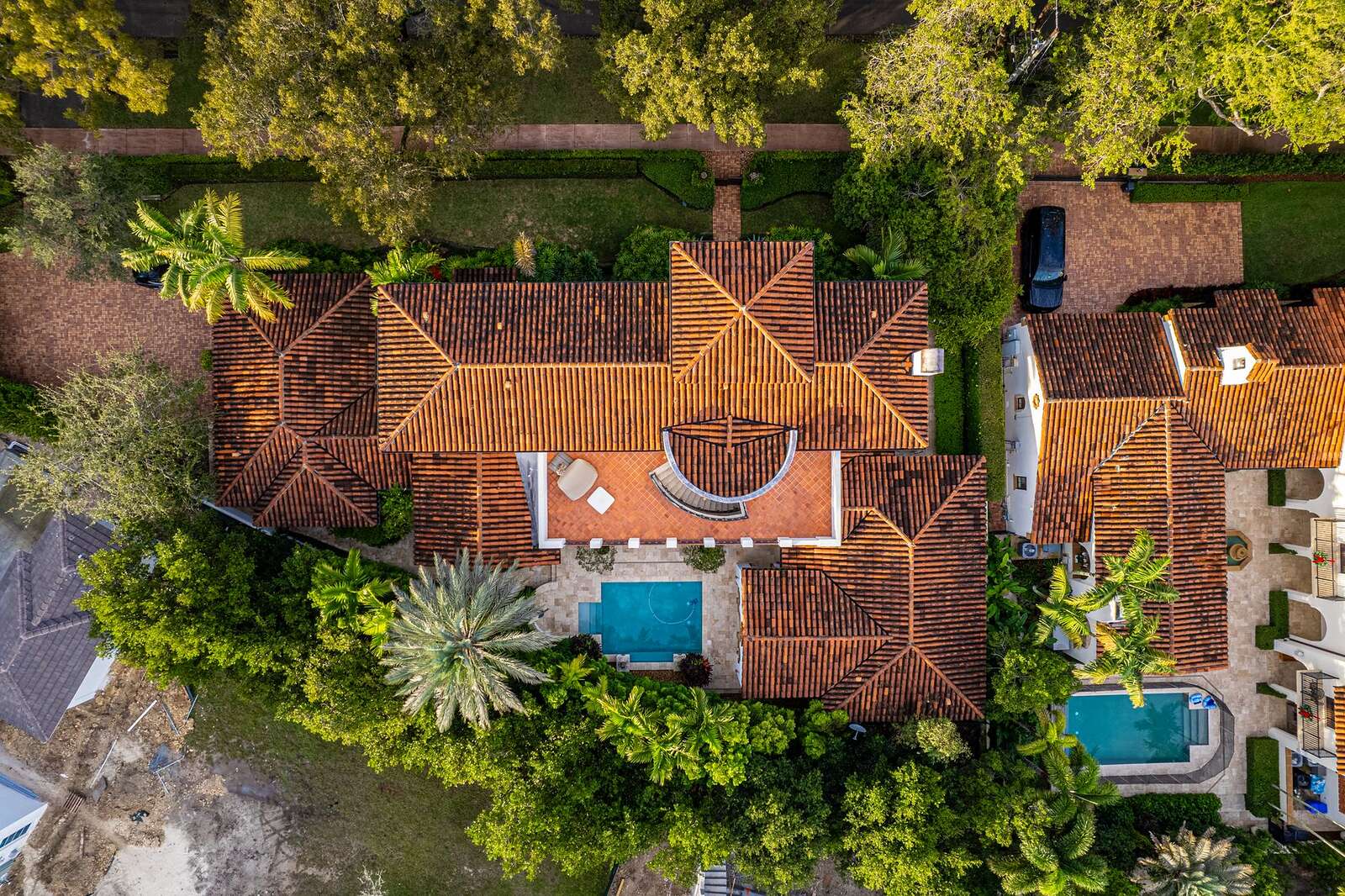
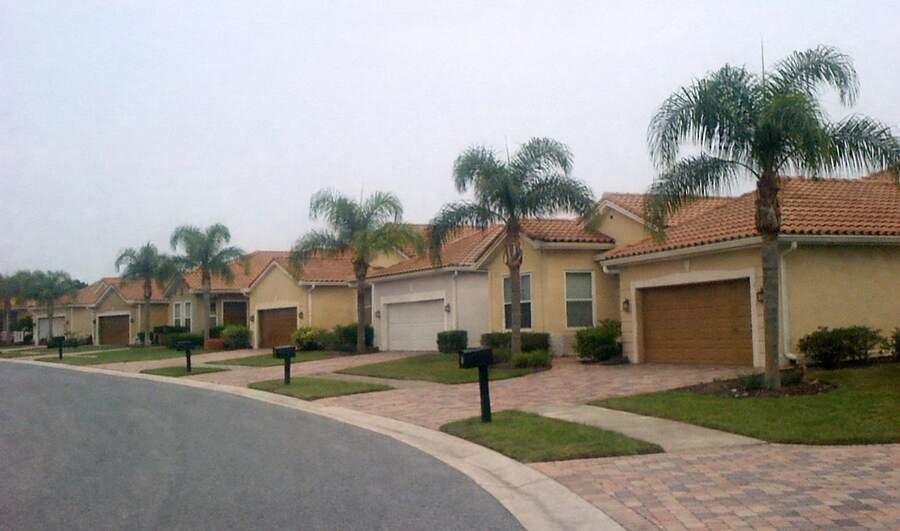
Westchase is a planned community of newer block and stucco houses, many under barrel tile, and the open eave course under the first row of tile is the entry point that matters most. The inspection is free and the phone is answered around the clock.
- Free tile roof inspection
- Metal eave closures, no foam
- Answered 24 hours a day
The tile eave is the Westchase entry point
The gap under the first course of barrel tile is the opening that lets most Westchase rats in. On a tile roof the eave course sits on battens and leaves a void the height of the tile profile running the full length of every eave, and the building component that is supposed to close it has a name: the bird stop, or eave closure. It is a code-approved metal part, typically 26 gauge galvanized steel or aluminum, sometimes ventilated with weep holes, and the Department of Energy lists installing bird stopping among its recommended measures for clay and concrete tile roofs. When it was never fitted, or has corroded or slipped, a rat-sized run is open along the entire eave.
A roof rat needs half an inch, and UF/IFAS puts the sealing standard at a quarter inch to cover mice as well. Some quotes close the eave with expanding foam, which looks tidy for a season and is gone the next time a rat wants in. The contractor we route fits the metal closure. That is the difference between a rodent exclusion job that holds and one that turns into a monitoring contract, and it is why an itemized quote should show eave closure as its own line.
Exclusion work in a planned community
Exterior sealing in Westchase has to look right from the street, and the metal closures fitted at the eave, gable and soffit are made to sit flush and be painted out. Planned communities usually run architectural guidelines on visible exterior changes, so ask whoever attends how the closures will look once finished, and check your own association's rules before work starts if you are unsure. Steel mesh behind a gable vent, a galvanized bird stop tucked under the tile and sealant around an AC line set are invisible from the sidewalk once done.
Inside, the trapping side of roof rat removal runs in the attic for at least a week, because UF/IFAS notes roof rats are wary of new objects and will avoid a trap for the first nights. Trapping is preferred to bait here for the reason the EPA's own description of rodenticides makes plain: most are anticoagulants, and death comes four days to two weeks after feeding starts, which for an attic rat means somewhere above your ceiling. If a rat does die in a wall, dead rodent removal is a separate, priced piece of work.
Season and storm exposure on Westchase tile roofs
Westchase attic activity climbs on the cool snaps from November to February and again during the summer rains from June to September, when heavy downpours push rodents indoors. Roof rats breed all year in this climate, so the season changes when you hear them and does little to change how many there are. The first sign in a tile-roofed house is often a scrabbling sound along the eave at dusk, since the eave void is both the entry and the runway.
Tile roofs also take a specific kind of storm damage. The Department of Energy documents storms breaking and displacing roof tiles, with one broken tile cascading into others, and after Helene and Milton Tampa Bay pest firms reported a surge in rodent calls as storm damage opened new roof and soffit entry points. A displaced tile near the eave can lift the bird stop with it. If your roof was patched after the 2024 storms, ask for the eave to be checked along its whole length, and reach us through the contact page or the phone line, which is answered 24 hours a day.
What a fitted bird stop looks like on a Westchase eave
A finished eave closure sits under the first tile course as a continuous strip of metal with the tile profile cut into it, so each barrel is blocked and the drip edge stays clear. From the ground it reads as a shadow line under the tile. A representative job on a single-story stucco house covers every eave, the rake ends and any spot where a tile was replaced after a storm, with the closure fastened to the fascia and any ventilated sections carrying weep holes small enough to meet the quarter-inch rat-proofing standard UF/IFAS sets. The gable vents get steel mesh behind the louvers on the same visit.
Rat holes around a building
What a burrow looks like, and where it leads.
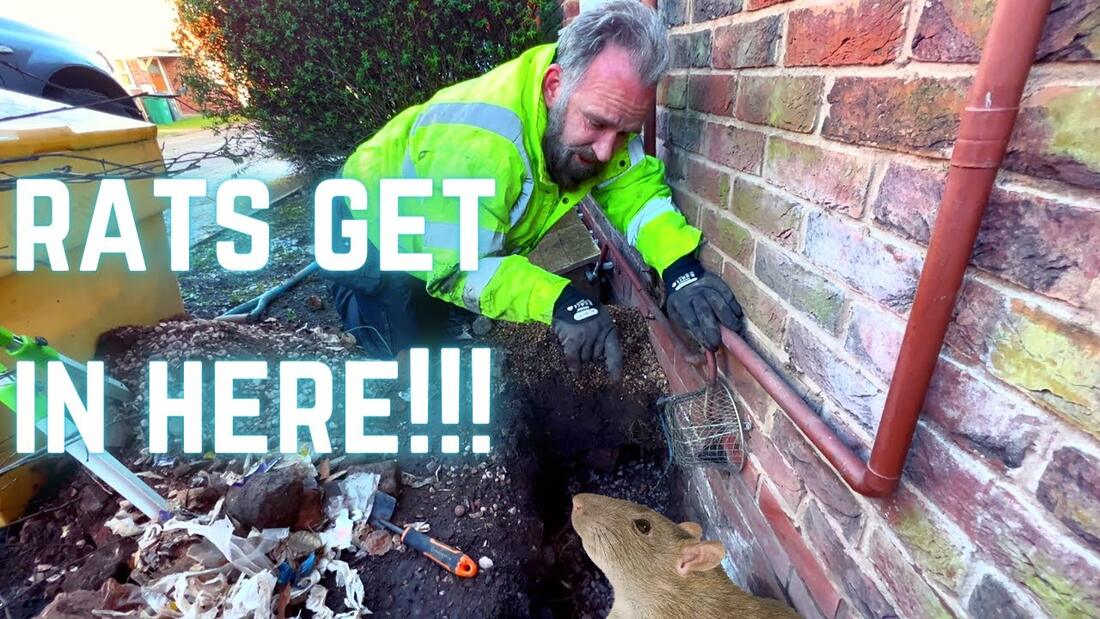
Video: RAT holes around your house? How to stop rats burrowing, from Pest Interceptors.
Why Westchase homeowners book through us
Named components at the eave, written into the quote
The gap under the first course of barrel tile has a manufactured, code-approved closure, and the quote you receive names it. A bird stop fitted in 26 gauge galvanized steel or aluminum runs the length of the eave and stays there through the next storm season. Foam does neither. The contractor we route puts the eave closure on its own line so you can see what it costs and what it covers, which is what an itemized quote is for.
DOE tile roof guidance lists installing bird stopping among recommended measures
FDACS credential confirmed before work starts
Trapping rats in a structure for hire requires at minimum an FDACS Limited Commercial Wildlife Management certificate, and rodenticide use requires an FDACS structural pest control business license with a certified operator. The contractor we route holds whichever credential the job calls for. Look it up through the FDACS license search before the first visit, and ask whoever attends to show the certificate at the door.
FDACS Limited Commercial Wildlife Management certificate, verifiable through the FDACS lookup
Tampa cost bands before anyone climbs a ladder
Angi's Tampa figures give rodent removal an average of $1,078 per visit within a typical $441 to $1,716 range, and put exclusion sealing at $550 to $1,642. Those are typical-job bands confirmed at the free inspection. A tile roof sits toward the upper end of the exclusion band because the eave has to be closed along its whole length, and the quote should say so in plain terms.
Angi Tampa: rodent removal $441 to $1,716 typical per visit
A typical Westchase call
The situation: A single-story stucco house under barrel tile, the owner hearing something run the length of the rear eave every evening just after dark. There are droppings on the ledge of the lanai screen frame and the neighbor's palms lean toward the fence. The owner has already been told by a relative that it is probably lizards.
What gets done: The inspection lifts the corner tiles at the rear eave and finds no bird stop was ever fitted along that run, with rub marks in the void and droppings at the soffit return. Snap traps go into the attic for ten days. A galvanized eave closure is fitted along every eave, the gable vents are backed with steel mesh, and the AC line set penetration is sealed. The metalwork is painted to match the fascia, so nothing changes from the street and the association has nothing to review.
How it turns out: Three roof rats are taken in the first week, then nothing. The follow-up visit removes the traps and checks the closures. The attic insulation shows one soiled run near the rear eave, which the owner chooses to have removed and topped up as a separate line. The evening noise stops with the sealing, and the owner sleeps through the night for the first time in a month.
Westchase rodent questions
The questions below come up on nearly every call from Westchase.
Tile roofs
What is a bird stop and does my roof need one?
A bird stop, or eave closure, is the metal strip that closes the void under the first course of barrel tile. It is a code-approved component, typically 26 gauge galvanized steel or aluminum, and the Department of Energy lists installing it among recommended measures for tile roofs. Many Westchase houses either never had one fitted or have one that has corroded or shifted, and the resulting gap is far larger than the quarter-inch UF/IFAS standard for rat-proofing. If you have tile, the eave is the first place to check.
Will the sealing be visible from the street?
Very little of it. The eave closure sits under the tile and reads as a shadow line, gable vent mesh goes behind the louvers, and soffit repairs are refitted panels. The contractor we route paints exposed metal to match the fascia. Planned communities often have architectural rules about visible exterior changes, so ask to see how each closure will look before the work starts and check your association's guidelines if anything is in doubt.
Trapping and cost
Why trap instead of putting out poison?
Because of where the rat dies. The EPA describes most rodenticides as anticoagulants that kill four days to two weeks after the animal starts feeding, and a rat living in your attic dies in your attic or inside a wall. UF/IFAS makes the practical point that trapping reduces the risk of a poisoned rat dying inside a building. Trapping plus sealing is the professional answer, and the claim that poison makes rats go outside to look for water is folklore.
What does exclusion cost on a Westchase tile roof?
Angi's Tampa figures put exclusion sealing at $550 to $1,642, and HomeGuide's national band for full-home exclusion runs $500 to $2,500. A tile roof tends toward the upper part of those bands because the eave closure runs the full perimeter. Trapping and removal is priced separately, at a Tampa average of $1,078 per visit. The free inspection produces the real figure with each part on its own line.
Still have a question? Call (813) 710-4931 and ask.
Book a free inspection in Westchase
Someone answers the line 24 hours a day. The contractor we route checks the eave, the vents and the attic and prices the sealing, the trapping and any cleanup separately.