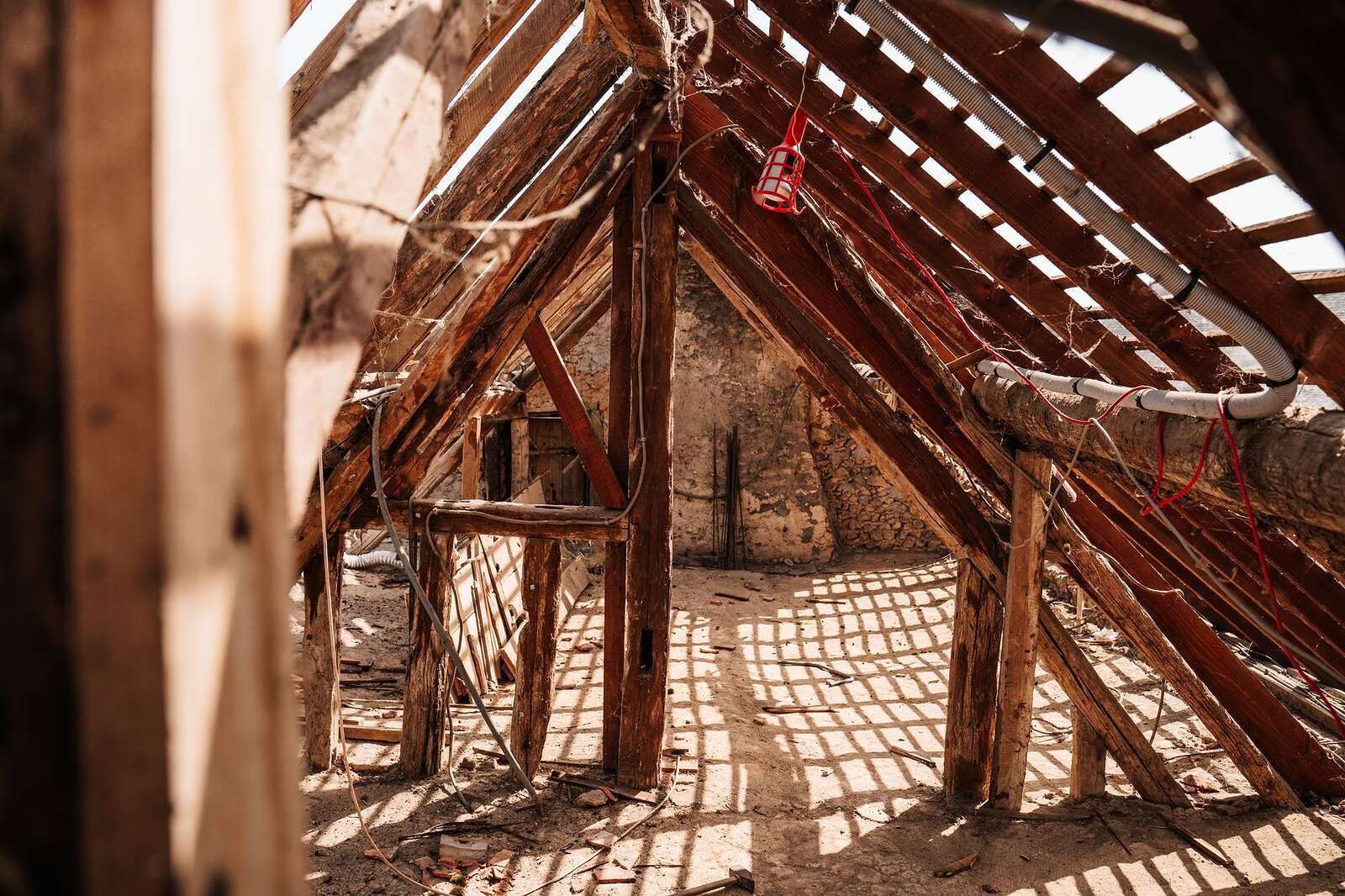
Free Rodent Inspection in Tampa, FL
A rodent inspection in Tampa reads the roofline, the attic and the yard, names the animal, finds the openings and puts it all in a written report with an itemized quote. It costs nothing, and it decides everything that follows.
- No inspection fee, ever
- Written findings report
- Answered 24 hours a day
What a rodent inspection covers on a Tampa house
A rodent inspection on a Tampa house covers four zones: the roofline from a ladder, the attic from the inside, the living space and garage, and the exterior harborage within reach of the roof. Whoever attends works through all four in one visit, and the visit is free.
The roofline
The roofline is where a Tampa attic is entered, so it is where the inspection spends the most time. Soffit returns, gable vents, ridge and off-ridge vents, the eave course of a tile roof and its bird stop, the AC line-set penetration, the electrical mast and the plumbing vents are each checked against a quarter inch, which UF/IFAS gives as the rat-proofing standard. Rub marks, chewed edges and droppings on the drip edge show which openings are in use.
The attic
Inside, the inspection reads the insulation for runs, hollows and nests, checks the top plate and the air handler platform for droppings, and looks at wiring and duct insulation for gnawing. The droppings identify the animal: a quarter to half inch long, curved and pointed at both ends means a roof rat, per UF/IFAS. The inspection also notes whether the insulation is compressed or wet, because the Department of Energy states that compressed insulation does not deliver its rated R-value and wet insulation performs poorly.
Interior and garage
Kitchens, laundry rooms, the garage and any wall with noise behind it are checked for droppings, gnawed packaging, rub marks along baseboards and gaps at the garage door seal and the garage-to-attic panel.
Exterior harborage
Outside, the inspection notes oak limbs and palm fronds touching the roof, fruit trees and fallen citrus, woodpiles, debris and dense ground cover against the walls, and any burrow at the slab edge that would point to a Norway rat instead of a roof rat. UF/IFAS puts the roof rat's range at about 150 yards from the den, so the neighboring lot is part of the picture.
What the written findings report should contain
The report that ends a Tampa rodent inspection should name the species, list every opening with its location and size, describe what was found inside, recommend a sequence, and price each part of that sequence on its own line. A report that is a single number on a card is a sales visit with a different name.
- The animal identified, with the evidence: dropping size and shape, where the noise is heard and when, rub marks and gnaw patterns
- Every opening found at the roofline and at grade, with its location, an estimate of size, and whether it shows signs of use
- Attic condition: dropping density, nest sites, insulation runs, wiring or duct damage, odor, and whether any carcass is present
- Exterior contributors: limbs and fronds on the roof, fruit, harborage against the house
- A recommended sequence, with exclusion as the spine, trapping alongside, and cleanup or insulation work after the attic is clear
- A quote in separate lines for inspection (zero), exclusion, trapping, follow-up visits, cleanup, insulation, and any ongoing plan
- Photographs of the openings and the attic findings where the contractor takes them
The report is also the document a homeowner puts beside a second bid. Two itemized reports for the same house can be compared opening by opening; two bundled totals cannot. Ask for it in writing, and read what the about page says the routed contractors are expected to hand over.
Why the inspection sets the sequence
The inspection decides the order of the job, because the openings it finds are what the exclusion closes and the dropping runs it maps are where the traps go. Every routed job in Tampa follows exclusion first, trapping alongside, verification, then cleanup, and each of those steps is only as good as the inspection underneath it.
Sealing without a thorough roofline inspection leaves the one gap that was missed, and that gap is the one the rats use. Trapping without an attic read puts traps where they are convenient instead of where the animals travel, and UF/IFAS advises leaving traps in place at least a week because roof rats are wary of new objects, so a badly placed trap costs a week. The inspection also catches the cases where the plan changes: a burrow at the slab that says Norway rat, daytime noise that says squirrel, or droppings small enough to say mouse.
The rodent exclusion and roof rat removal pages describe the work that follows. Both start from the report described here.
How the inspection relates to a clearance letter
A rodent clearance letter is a written statement, after inspection and any work, that a property shows no active rodent activity and that the entry points found have been closed, and the free inspection is the first half of it. Buyers, sellers, landlords and condo boards in Tampa ask for one at closing or at lease turnover, and a letter is only as good as the inspection behind it.
When the inspection finds nothing active and the roofline is sound, the letter can follow from the inspection alone. When it finds activity, the letter comes after exclusion, trapping and a verification visit, and the closure list from that work is attached. The rodent clearance letters page explains what the letter states, what it does not, and how a real estate transaction uses it.
Why do some companies charge for an inspection?
Some companies charge because the inspection is their first billable visit, and nationally the standalone rodent inspection fee runs from nothing to $175 in HomeGuide's 2026 figures. Homeowners in forums describe paying around $75 just to get a bid, and treat that fee as a real barrier to collecting the several bids they advise each other to collect.
| Line item | Here | National (HomeGuide 2026) | Tampa (Angi) |
|---|---|---|---|
| Standalone rodent inspection | Free | $0 to $175 | Included in the visit |
| Trapping and removal | Quoted from the report | $250 to $1,200 | $441 to $1,716 per visit, average $1,078 |
| Full-home exclusion | Quoted from the report | $500 to $2,500 | $550 to $1,642 |
| Attic cleanup and decontamination | Quoted from the report | $600 to $2,500 | Insulation removal $600 to $1,200; replacement adds $1,000 to $3,000 |
The inspection here is free because the quote it produces is the product, and a homeowner who can get three free itemized reports is in a far better position than one who paid for one. Every figure in the table is a typical-job band, and the report is what turns a band into a number for your house.
When to book a rodent inspection in Tampa
Book the inspection on the first night of noise, and book it on a calendar in three other situations: citrus season, the first cool snap, and the week after a storm. Tampa's roof rats breed year-round, so waiting for a season to pass does not thin them out.
The first sound
A scratch or a scamper over the ceiling after dark is the earliest sign and the cheapest one to act on. UF/IFAS gives the roof rat a gestation of 21 to 23 days, litters of five to eight and four or five litters a year, with maturity at three to four months, so a month of waiting is a litter.
Citrus season and cool snaps
From September through March the dooryard citrus ripens and hollowed oranges under the tree become the tell. Attic call volume in Tampa peaks from November to February as cool nights push the animals in and keep them in. An inspection in early fall catches an opening before the surge.
After a storm
After Helene and Milton in 2024, and after Ian and Irma before them, Tampa Bay pest firms reported a surge in rodent calls as roofs and soffits were opened and displaced animals found them. The CDC ties leptospirosis case increases to hurricanes and floods, names rodents among the reservoirs, and recommends rodent control as post-flood prevention. A post-storm rodent inspection is the same inspection with the storm damage in front of it.
Attic timing in summer
A vented Tampa attic in July is hot enough that attic work is scheduled early in the morning, and the inspection is booked to match.
What a Tampa inspection looks for by neighborhood
The findings on a Tampa inspection follow the housing stock: canopy pressure and old soffits in the pre-war and mid-century districts, tile eaves and vent mesh in the newer block subdivisions, and slab-level burrows near the port and older waterfront streets. The animal is a roof rat in the great majority of cases.
In Seminole Heights, Tampa Heights, Hyde Park and South Tampa the inspection starts with the trees. Live oaks with Spanish moss on the shingles, old wood soffits, gable louvers with rusted screens and a citrus tree in the yard are the usual combination; the historic district in Seminole Heights was built between 1912 and 1928, and about 30 percent of Old Seminole Heights homes predate 1950. In New Tampa, Westchase and Riverview the inspection spends its time at the tile eave and its bird stop, the off-ridge vent mesh and the AC line set, because the canopy is thinner and the roof does the work. A burrow at the slab edge or activity around a dumpster near the port says Norway rat and changes the plan to ground-level work.
The contractor who attends must hold the credential for what comes next. Trapping rats in, on or under a structure for hire requires at minimum an FDACS Limited Commercial Wildlife Management certificate, and rodenticide use requires an FDACS pest control business license with a certified operator in General Household Pest and Rodent Control. Every contractor we route holds the FDACS credential the job needs, and the license number can be confirmed in the FDACS lookup before the inspection. The neighborhood pages under locations cover each district.
What to check about the inspector
Four things tell you whether a rodent inspection is worth the hour: a ladder on the roofline, time in the attic, a written report with separate lines, and an FDACS license number on request. An inspector who stays on the ground and quotes from the driveway has inspected nothing.
- Confirm the FDACS license through the state lookup before the visit, and ask which credential covers the work that will be recommended.
- Watch where the time goes: the roofline from a ladder and the attic from inside are the two zones that matter most on a Tampa house.
- Ask for the report in writing, with the openings listed and the quote split into exclusion, trapping, follow-ups, cleanup and any ongoing plan.
- Ask what is warrantied and for how long, and whether the warranty is renewable, before comparing the number with another bid.
- Ask how many follow-up visits are included and what happens if the animals come back.
Collect the same report from more than one contractor if you want to; a free inspection makes that possible. The contact page takes the booking, and the line is answered 24 hours a day.
Services that usually go with this one
Most jobs in Tampa run as a sequence, and these are the pages that describe the steps around this one.
- Rodent Clearance Letters: A written inspection report for closings, rentals, HOA disputes and insurance files.
- Roof Rat Removal: Trapping out the attic rat that dominates Tampa, sequenced with sealing.
- Rodent Exclusion: Closing the roofline: soffit returns, vents, tile eaves and penetrations, to the quarter-inch standard.
Questions about how the pieces fit together are answered on the about page, or by phone at any hour.
Finding the entry points
Where the openings usually turn out to be.
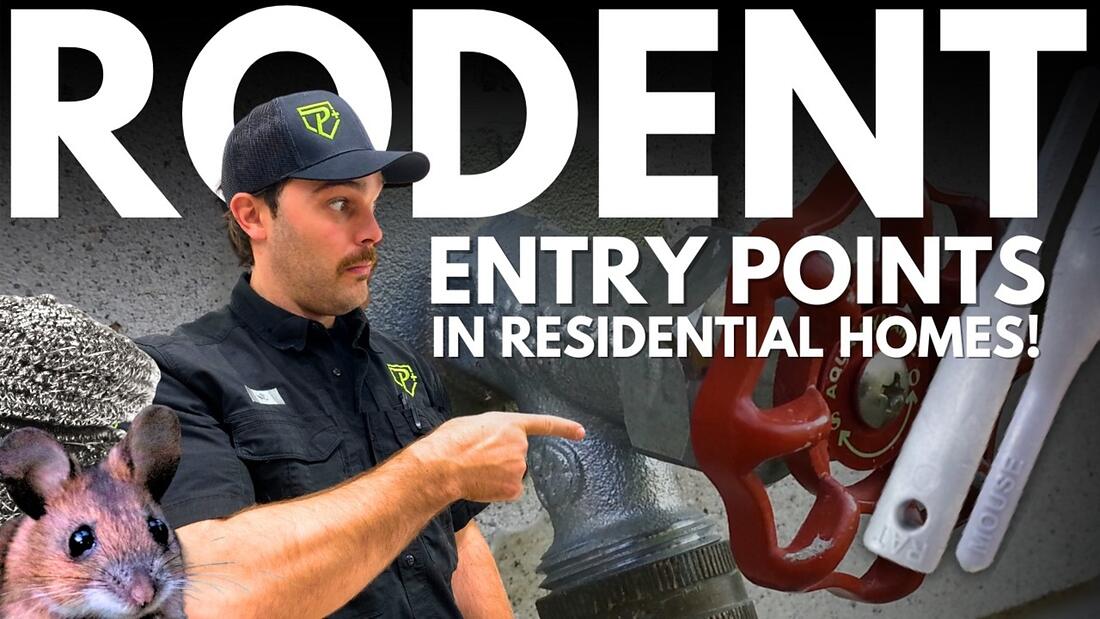
Video: How to find rodent entry points and seal them, from Pest Protection Plus.
How the free inspection runs
The inspection is the first step of the exclusion-first sequence, and everything after it is built on what it finds.
-
Book the visit
Call or send the form with what you heard, where and when. The line is answered 24 hours a day and the inspection costs nothing.
-
Roofline, attic, interior, exterior
Whoever attends works the eave from a ladder, reads the attic, checks the garage and living space, and walks the yard for limbs, fruit and harborage.
-
Written report and itemized quote
You receive the species, the openings, the attic findings and a quote split into exclusion, trapping, follow-ups and any cleanup.
-
Exclusion and trapping if you go ahead
The roofline is sealed with metal closures and traps go on the marked runs the same day, then a return visit verifies the attic is quiet.
What to expect
The visit runs in the same order on every rodent inspection job, so you know what is coming before the truck arrives.
- A ladder at every eave
- A light through the whole attic
- Droppings measured to identify the animal
- Each opening listed with its location
- A quote in separate lines, inspection at zero
Why Tampa homeowners start with this inspection
Free where others charge
The inspection costs nothing, and the report is the same one a paying customer elsewhere would receive. Nationally the standalone rodent inspection runs from nothing to $175, and the complaint in homeowner forums is paying around $75 just to get a bid. A free report means a Tampa homeowner can collect more than one and compare them opening by opening, which is the single piece of advice those forums repeat most.
HomeGuide 2026: standalone rodent inspection $0 to $175 nationally
A report that names the animal and the openings
The report identifies the species from the evidence, with the UF/IFAS dropping measurement for a roof rat as the benchmark, and lists every opening against the quarter-inch standard. It recommends a sequence with exclusion at its center and prices each part on its own line. That is what a homeowner can act on, compare, and keep with the house papers.
UF/IFAS: roof rat droppings a quarter to half inch, banana shaped with pointed ends
An FDACS-licensed contractor at the door
Every contractor we route holds the FDACS credential the recommended work needs: a Limited Commercial Wildlife Management certificate for trapping rats in a structure, or a pest control business license with a certified operator where rodenticide is involved. The number is checkable in the FDACS lookup before the visit, and the same person who inspects is accountable for what the report says.
FDACS licensing: Limited Commercial Wildlife Management certificate, verifiable in the FDACS lookup
What Reddit Says About Rodent Inspections in Tampa
Homeowners in r/pestcontrol, r/HomeImprovement and r/homeowners treat a single quote as unreadable and tell each other to get several bids for identical scope before choosing anyone. That advice runs straight into the inspection fee: paying around $75 to get a bid is described as a real barrier, and the threads note that a company charging for the visit has already been paid before it has found anything. Local operators are preferred to national brands, and people ask early whether the company that inspects also does the sealing.
The red flags start at the inspection. A visit that ends in one bundled number, a plan built on bait with no mention of the roofline, a quote that folds a monthly monitoring contract into the removal price, and an inspector who did not go into the attic all draw warnings. Species confusion is a documented theme; one thread has two exterminators disagreeing over a juvenile roof rat versus a mouse, which is the kind of question a measured dropping settles.
The questions they tell each other to bring to the visit are the ones a good report answers by itself: what exactly is included and what is a separate line, whether the sealing is warrantied and for how long, whether cleanup and decontamination are part of it, how many follow-up visits are included, and what happens if the animals come back. Florida threads add the local checklist of palm fronds, overhanging limbs, tile eaves and soffit gaps.
The threads also carry the part that a report does not: weeks of broken sleep and the sense of being told it is nothing. An inspection that names the animal and lists the openings is usually the first moment someone else takes it seriously.
The contractors we route hand over that report, in writing, at no charge.
A typical inspection call in Seminole Heights
The situation: A renter-turned-owner in a 1920s Craftsman bungalow off Central Avenue has heard scratching in the ceiling for three weeks and has been told by two people that old houses just make noise. There is a live oak over the front porch roof, a tangerine tree in the side yard, and the gable louvers are the originals. They book the free inspection mostly to prove to themselves they are not imagining it.
What gets done: Whoever attends starts at the eave from a ladder and finds a soffit return under the oak limb rubbed dark and open, one gable louver screen rusted through, and an old cable penetration with a thumb-sized gap. In the attic there are droppings a quarter to half inch long along the top plate over the front bedroom, a nest in the insulation near the chimney, and gnawing on the duct insulation. Outside, hollowed tangerines lie under the tree. The report names a roof rat, lists the three openings with their sizes, describes the attic, recommends exclusion first with trapping alongside, and prices sealing, trapping, a follow-up and an optional insulation line separately, with the inspection at zero.
How it turns out: The owner takes the report to one other company for comparison, chooses the sealing-and-trapping program, and keeps the report with the house papers. The scratching stops within the first week of trapping, the follow-up finds nothing fresh, and the house is quiet by the end of the month.
Inspection questions from Tampa homeowners
These questions come up before almost every inspection booking.
Before the visit
Is the inspection really free, or is there a catch?
The inspection and the written report cost nothing, and there is no obligation to book the work from it. The report is priced in separate lines so it can be taken to another contractor for comparison, which is what homeowner forums advise. Nationally a standalone rodent inspection runs from nothing to $175 in HomeGuide's 2026 figures, and the common complaint is a fee of around $75 just to receive a bid; here the fee is zero and the report is yours either way.
How many bids should I get for a rat problem?
Two or three itemized reports for the same house is the number homeowner threads settle on, and a free inspection makes that affordable. Compare them opening by opening: each report should list the same soffit returns, vents, tile eave gaps and penetrations, and a report that lists far fewer has missed something. Compare the sealing material named, the number of follow-up visits, the warranty term, and whether any monthly plan is bundled in. Price is the last thing to compare, because a low number with foam and no return visit is the expensive option.
Do I need to be home, and do you need to go in the attic?
Someone needs to be home for the interior and the attic, and yes, the attic is the part that identifies the animal and maps where the traps go. The roofline can be inspected from a ladder outside, but the report is incomplete without the attic read. Expect the visit to take longer than a driveway estimate; a Tampa house with a long tile eave and a full attic takes time. In summer the attic portion is booked for early morning because a vented Florida attic in July is hot by mid-day.
After the visit
What if the inspection finds nothing?
A clean inspection on a Tampa house is a useful result: it rules out the roof rat, records that the roofline is sound, and can support a clearance letter if one is needed for a sale or a lease. If noise continues after a clean report, the next candidates are a squirrel in daytime, a Norway rat at slab level, or plumbing and expansion noise in an older house, and the report notes which of those the evidence points to. There is no charge either way.
Does the inspection tell me if I need the attic cleaned?
The report describes the attic condition and lets you decide. It records dropping density, nest sites, whether the insulation has been compressed into runs or wetted, and whether wiring or duct insulation has been gnawed. The Department of Energy states that compressed insulation does not deliver its rated R-value and wet insulation performs poorly, so heavily tracked insulation is usually quoted for removal as its own line, after the attic is clear. Light contamination may need no more than spot cleanup. The quote separates the two so the choice is yours.
Still have a question? Call (813) 710-4931 and ask.
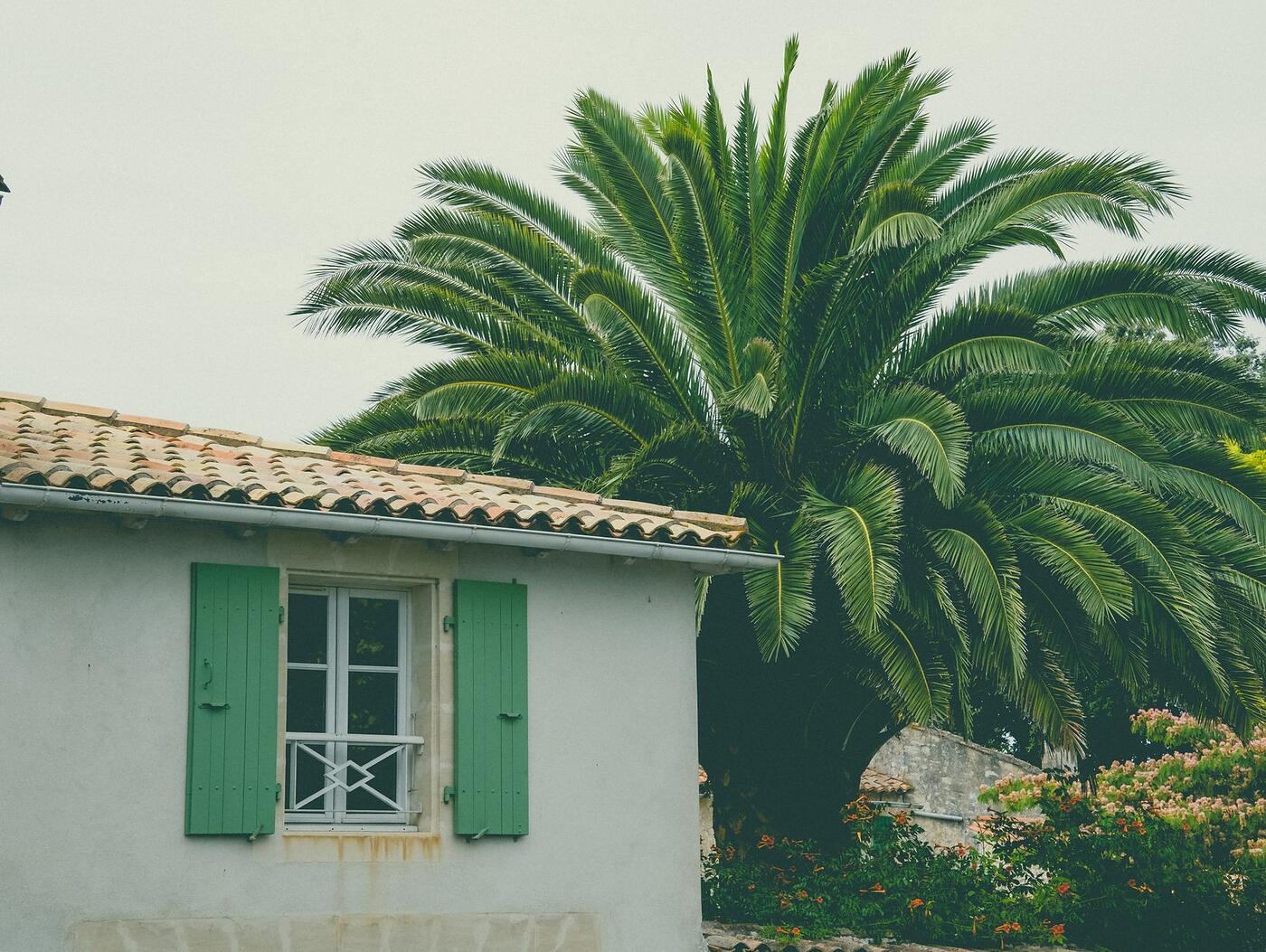
Book a free rodent inspection in Tampa
Call (813) 710-4931 or send the form. The line is answered 24 hours a day, the inspection is free, and the report is yours to keep.