Rodent Removal in Plant City, FL
Plant City grows most of the country's midwinter strawberries, and the packing houses, barns and feed storage that come with farming bring Norway rats to the ground while roof rats work the attics of its older downtown homes. The inspection is free.
- Free inspection, homes and farm buildings
- Answered 24 hours a day
- FDACS-licensed contractors only
Free Inspection in Plant City
A free inspection in Plant City looks at two levels of the property, because two species are at work here. At the roofline and in the attic, whoever attends checks the soffit and the eave line of a pre-war bungalow, the gable vents and the gaps where a wood-frame house has settled off its piers, and reads droppings and rub marks along the rafters for roof rats. At the ground, the walk covers the slab edge, the feed room, the pole barn, the stacked pallets and the dumpster pad for the burrow openings and packed runways that mean Norway rats. The written findings say which animal you have, where it is getting in, and what trapping, sealing and cleanup each cost on their own lines.
Plant City sits about 23 miles east of Tampa on Interstate 4, so the drive from downtown runs half an hour or so, and the contractor we route into eastern Hillsborough County is used to properties with outbuildings. The phone is answered 24 hours a day. Book a free inspection and mention whether the trouble is in the house, a barn, or both.
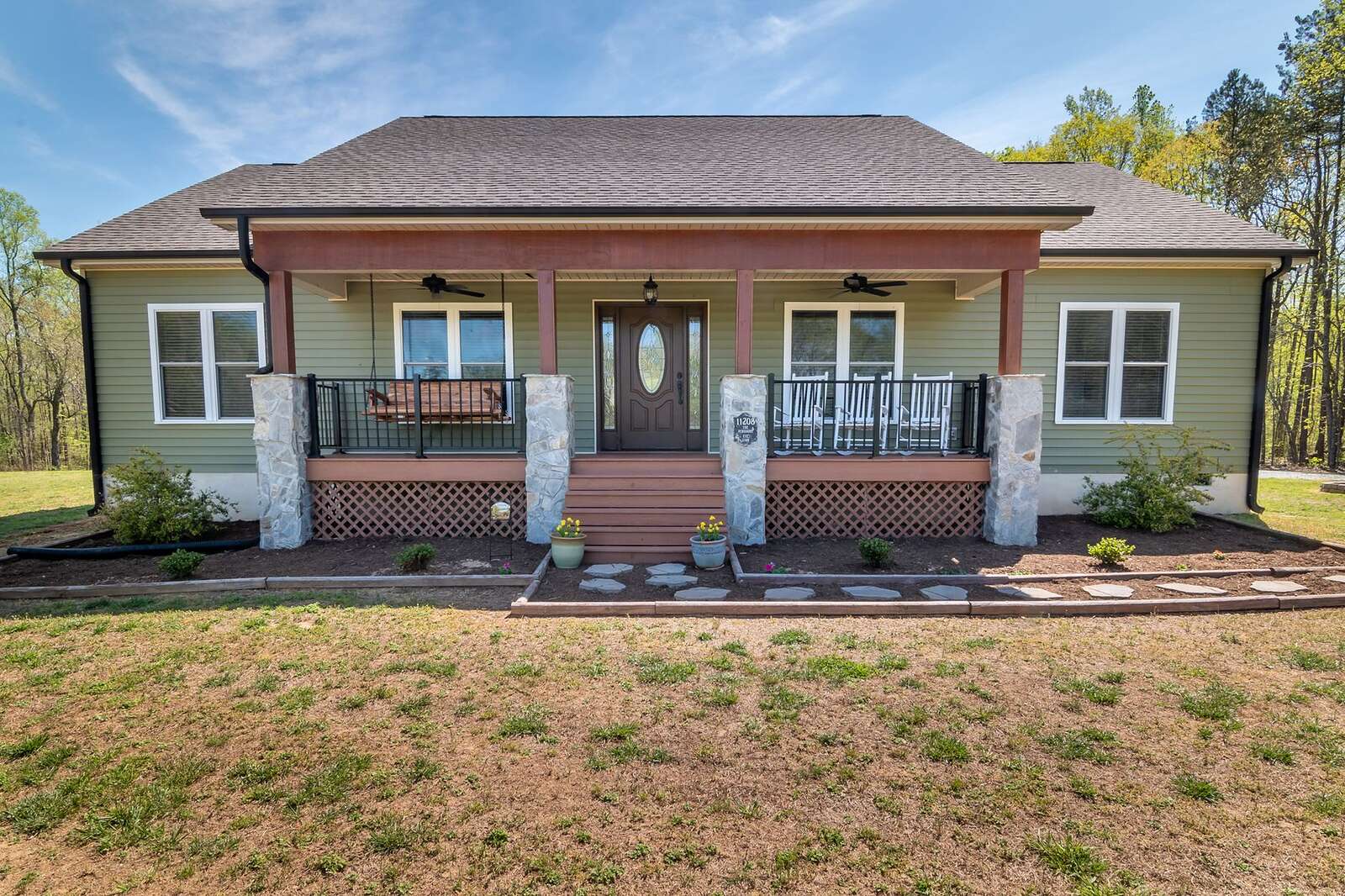
Downtown Plant City's Craftsman and brick homes give roof rats old-house openings
The older core of Plant City is a different building from the block subdivisions further west, and it needs a different exclusion. The Downtown Plant City Historic Residential District on the National Register holds 185 historic buildings, mostly bungalow and Craftsman, and the commercial district beside it holds 38 more, brick storefronts around the 1908 Union Depot. A Craftsman bungalow of that era is wood frame on piers or a low block stem wall, with a vented crawl space, wide eaves, exposed rafter tails and an attic reached through the ceiling. Every one of those details is an opening once the wood has moved: the gap between rafter tails under the eave, a crawl space vent with rusted screen, the space where a porch roof meets the main wall, and the chimney chase.
The roof rat is the animal in these attics. UF/IFAS describes it as arboreal, moving along branches and wires, and the old oaks on the downtown streets put it on the roof without touching the ground. Its droppings run a quarter to half an inch, banana shaped with pointed ends, and a line of them along the top of a rafter is the sign to look for before the noise starts. Roof rat removal in a Plant City bungalow means trapping in the attic and the crawl space together and closing the eave line in a way that keeps the look of a historic house, with hardware cloth cut to the rafter bays instead of a run of foam.
Packing houses, barns and feed storage bring Norway rat pressure to the ground
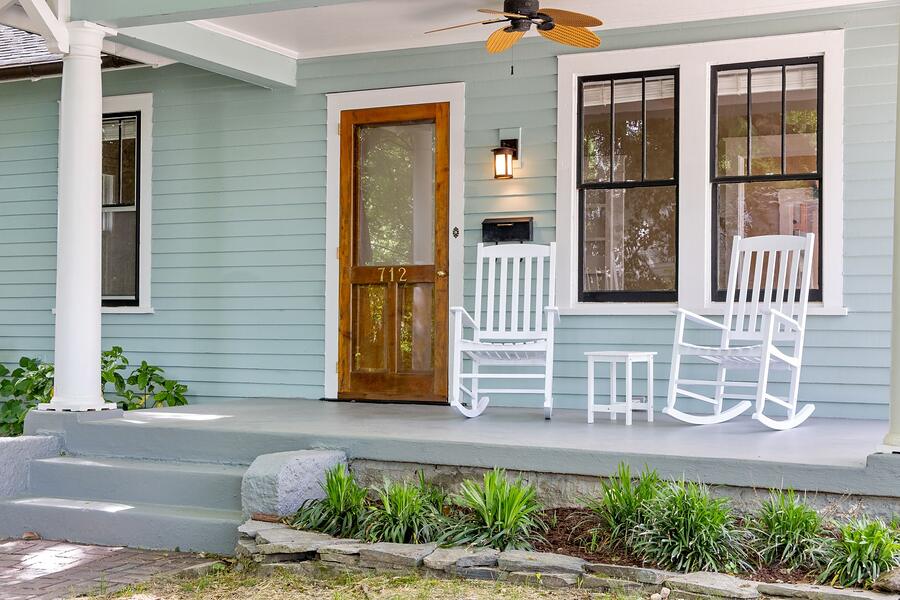
Plant City is farm country, and the Norway rat that is unusual in a Tampa attic is a regular finding around its agricultural buildings. The city calls itself the Winter Strawberry Capital of the World and reports that over three quarters of the nation's midwinter strawberries come from here, which means fields, packing houses, cold storage, equipment sheds and feed rooms, and UF/IFAS Extension names Norway rats, roof rats and house mice together as the destructive rodents of farm facilities. They eat and foul feed, gnaw structural, mechanical and electrical parts, and their burrowing can weaken concrete slabs and walkways. The Norway rat lives low: it burrows along foundations and slab edges, under stacked pallets and rubbish, and beside dumpsters, and it comes indoors at ground level through a door that does not seal or a wall penetration at the floor.
Extension guidance for farm buildings is practical and mostly about denying shelter and food: feed stored in metal cans with tight lids, debris and trash cleared, grass kept short and a strip of at least three feet around each building kept free of brush and weeds, dripping faucets fixed. It also warns that a rodent seen in daylight around a barn means an established population. Commercial rodent control for a Plant City packing operation combines that sanitation with sealing at the slab edge and door sweeps, trapping along the runways, and bait stations only where a certified operator places them under an FDACS license. Homes on acreage with a barn get the same two-level plan on a smaller scale.
Milton dropped a fifth of a year's rain on Plant City and some ground stayed wet for weeks
Hurricane Milton in October 2024 was a rain event in Plant City on a scale the town had not planned for: local reporting put the storm's rainfall at about a fifth of a normal year's total, homes in low-lying areas outside the mapped flood zones took water, and one neighborhood was still flooded nearly a month later while the county ran pumps. On the farms, the wind stripped the plastic off strawberry beds and left growers repairing rows before the season. Water that stands for weeks drives every burrowing animal out of the ground and into whatever is dry, and the debris that follows a flood is shelter until it is hauled away.
The CDC ties hurricanes and floods to increases in leptospirosis, names rodents among the reservoirs, and recommends rodent control as part of post-flood prevention, which matters more on a property with livestock, feed and standing water than on a city lot. A post-storm rodent inspection on a Plant City property covers the house roofline, the ground floor and the outbuildings in one visit, and the barn is usually where the burrows are.
What We Handle in Plant City
Plant City work splits between roof rats in the attics and crawl spaces of older homes and Norway rats around barns, packing houses and feed storage, and the contractor we route handles both.
- Roof rat removal: trapping in the attic and crawl space of a downtown bungalow, with traps left at least a week because UF/IFAS notes the species avoids new objects.
- Rodent exclusion: hardware cloth at rafter tails, crawl space vents and porch roof junctions on wood-frame houses; steel mesh at soffits and vents and door sweeps at the slab on block buildings.
- Commercial rodent control: packing houses, cold storage and equipment barns, with sanitation, slab-edge sealing, trapping on the runways and licensed bait placement where it is warranted.
- Rodent inspection: free, covering the house from attic to crawl space and every outbuilding on the parcel, with a written plan that says which species is present.
- Attic cleanup: removal of droppings and fouled insulation from an old attic that has carried rats for years, with respirators worn on general contamination grounds.
- Dead rodent removal: finding the animal that died in a wall or under a floor after bait was used without sealing.
- Attic insulation replacement: new fill in a bungalow attic where the old batts were packed flat along the runs, since compressed insulation loses rated performance according to the Department of Energy.
A Typical Plant City Job
The situation: A couple restoring a 1920s Craftsman a few blocks from the depot hear something running the length of the attic every night and have found droppings on the porch ceiling boards. They also keep two horses on a small parcel outside town, and the feed room there has holes chewed through the bottom of a plastic bin. The wife has stopped going into the attic at all and the husband has been told by a coworker that old houses just have rats.
What gets done: At the house, the inspection finds daylight between the rafter tails under the front eave, an open crawl space vent and roof rat droppings along the attic top plate, and the contractor we route sets traps in the attic and the crawl space, closes every bay and vent in hardware cloth except the active eave run, and returns after a week to clear the traps and close it. At the barn, the walk finds three burrow openings along the slab edge behind the pallets and packed runways to the feed room door, which is a Norway rat pattern. Pallets come off the ground, feed goes into lidded metal cans, the door gets a sweep, and traps go on the runways with the burrows collapsed after the catch stops.
How it turns out: The attic goes quiet in the second week, the crawl space check finds no fresh droppings, and the barn runways grow over once the burrows are closed. The report lists both properties, each sealed point and the sanitation steps that keep the barn clear. The attic stops being a room she avoids.
What This Costs in Plant City
Plant City jobs price inside the Tampa and national bands below, with outbuildings and Norway rat burrow work added as their own lines at the free inspection.
| Work | Tampa (Angi) | National (HomeGuide 2026) |
|---|---|---|
| Inspection | Free | Standalone $0 to $175 |
| Trapping and removal | Typical visit $441 to $1,716; Tampa average about $1,078 | $250 to $1,200 |
| Whole-house exclusion | $550 to $1,642 | $500 to $2,500 |
| Attic cleanup and decontamination | Set at inspection | $600 to $2,500 |
| Insulation removal and replacement | Removal $600 to $1,200, replacement another $1,000 to $3,000 | $2.50 to $5.50 per square foot |
| Dead rodent removal | Set at inspection | $150 to $500 |
| Full restoration of a long-infested attic | Set at inspection | $3,000 to $10,000 and up |
A wood-frame bungalow with a crawl space has more linear feet to close than a slab house and tends to land higher in the exclusion band; a barn or packing house is quoted on its own. Ask whoever attends for the house, each outbuilding and each service as separate figures, how many follow-up visits are included, and what the sealing warranty says.
Mice, squirrels, or something else
How the signs differ between the two.
Video: Signs of Mice vs. Squirrels In Your Attic, from Skedaddle Humane Wildlife Control.
Common Questions in Plant City
What callers from Plant City ask before booking.
Which rat and where
How do I know whether I have roof rats or Norway rats?
Where you find the evidence tells you. Roof rats live high: droppings along attic rafters, gnawing at the eave line, noise in the ceiling at night, and an adult 12 to 14 inches long with a tail longer than its head and body, per UF/IFAS. Norway rats live low: burrow openings along a slab edge or under pallets, packed runways to a feed room or dumpster, and gnawing at the bottom of doors and bins. Plant City properties with a barn or packing shed often have both, and the inspection covers both levels.
What keeps rats away from a barn or feed room permanently?
Denying them food and shelter, then closing the building at the ground. UF/IFAS Extension advice for farm buildings is to store feed in metal cans with tight lids, clear debris and trash, keep a strip of at least three feet around each building free of brush and weeds, and fix dripping faucets. After that the slab edge, door sweeps and wall penetrations get sealed and the burrows are collapsed once trapping has stopped producing. A rat seen in daylight around a barn means the population is established and the job starts with trapping.
Old houses and licensing
Do I really need the eaves repaired now, or can I get away with trapping?
On a downtown Plant City bungalow the eave repair is the job. Trapping empties the attic this month, and open rafter bays under a wide Craftsman eave let the next rats in from the same oak. The repair is hardware cloth cut to each bay and fastened so it disappears from the street, which keeps the look of a historic house and closes the opening to the quarter inch UF/IFAS gives as the rat-proofing standard. Get it priced on its own line so you can see what it costs against the trapping.
Who is licensed to place bait around my packing shed?
Applying rodenticide anywhere in Florida for hire requires an FDACS structural pest control business license with a certified operator in General Household Pest and Rodent Control; trapping alone in, on or under a structure needs at minimum an FDACS Limited Commercial Wildlife Management certificate. Every contractor we route into Plant City and the rest of Hillsborough County holds the credential the job calls for. Confirm it through the FDACS license lookup before the first station goes down, and ask how the stations are secured against livestock, dogs and children.
Still have a question? Call (813) 710-4931 and ask.
Nearby Areas We Serve
The same contractors cover the towns around Plant City, and the service area is the whole of Hillsborough County.

Book a Free Inspection in Plant City
A free inspection on a Plant City property covers the house and the outbuildings in one visit and says which animal you have before anyone quotes. The phone is answered 24 hours a day.