Rodent Removal in Land O' Lakes, FL
Land O' Lakes grew from a few thousand people to more than 35,000 in forty years, and most of its houses stand between a lake and a conservation area. One call books a free inspection with an FDACS-licensed contractor.
- Free tile-eave and attic inspection
- FDACS-licensed contractors only
- Phone answered 24 hours
Free Inspection in Land O' Lakes
The free inspection on a Land O' Lakes house is a roofline job on a newer house, so it goes fast and it goes high. Whoever attends checks the eave course under the first row of tile for a missing or displaced bird stop, the soffit returns and off-ridge vents, the AC line set and utility penetrations, and the fence and tree line on the conservation side of the lot, then reads the attic for droppings, rub marks and tunneled insulation. You get a written list of every opening before any number is quoted.
Land O' Lakes sits in central Pasco County about 20 miles north of downtown Tampa on US 41 and State Road 54, and jobs there are routed from the office at Rivergate Tower downtown. Calls to (813) 710-4931 are answered around the clock. Book a free inspection and mention whether the roof is tile or shingle, because that changes what gets checked first.
Subdivisions Built Since the 1990s With Tile and Shingle Roofs
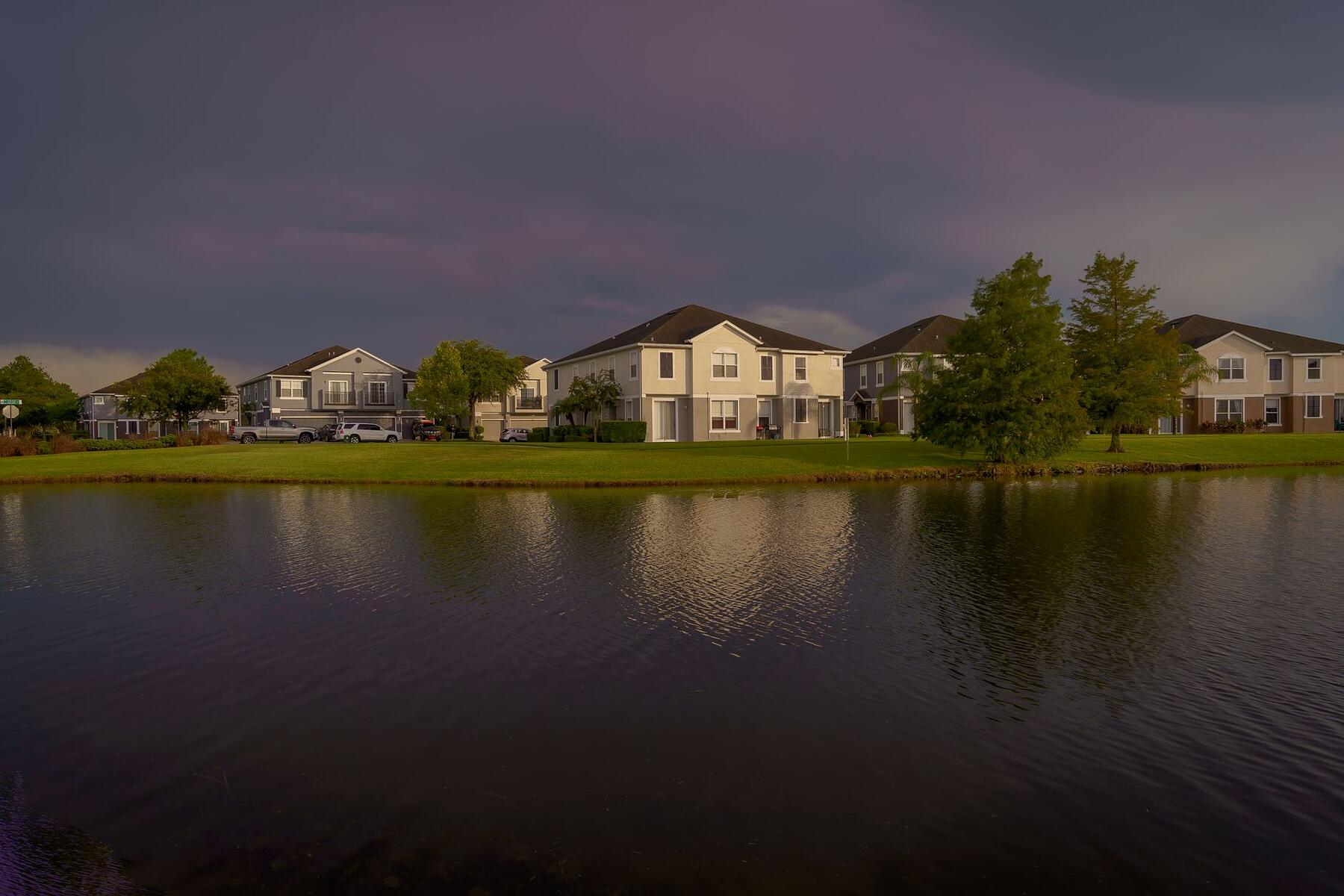
Most Land O' Lakes houses are under thirty years old, and their entry points are the ones new construction leaves behind. The census counted 4,515 people here in 1980, 7,892 in 1990, 20,971 in 2000, 31,996 in 2010 and 35,929 in 2020, so the great majority of the housing went up in the 1990s and 2000s along State Road 54 and US 41, with the earlier lake subdivisions from the 1970s along the Lake Padgett chain and the newest master-planned communities still adding streets. The houses are block and stucco on slab with vented attics, roofed in concrete tile or architectural shingle.
Tile is the roof to look at first. The open eave course under the first row of barrel or flat tile is a known building condition, and the part that closes it is the bird stop, a code-approved metal closure, typically 26 gauge galvanized steel or aluminum, sometimes ventilated with weep holes. The Department of Energy lists installing bird stopping among its recommended tile-roof measures. When a builder skipped it, or a storm shifted it, the result is a rat-sized void running the length of the eave, and a climbing animal on the roof has no gnawing to do. A cheap quote closes it with a blob of foam; a proper one fits the metal part.
Shingle roofs in the same subdivisions let rats in at soffit returns, plastic ridge vent mesh and the collar around a plumbing vent. The house is newer, so the openings are fewer, and a written list from the free inspection usually runs to a handful of items that each need doing to the quarter-inch UF/IFAS standard.
Conservation Areas and Lakes Beside the Back Fence
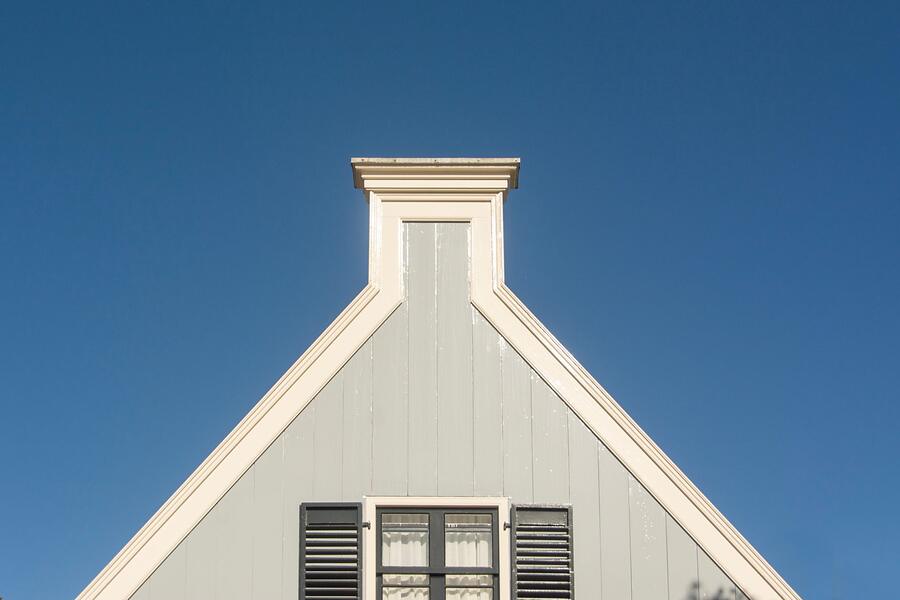
A Land O' Lakes lot usually backs onto water or preserved land, and both are rat habitat that the subdivision does nothing to remove. The census-designated place covers about 21 square miles with more than two of them water, the name itself was adopted in 1950 for the lakes, and the Conner Preserve and Cypress Creek Preserve hold thousands of acres of pine, cypress and wetland on the town's edges. Inside the subdivisions, the wetlands the developers were required to leave sit behind the back fences as conservation tracts, full of cabbage palm, oak, saw palmetto and standing water.
Roof rats nest above ground in hollow trees, palm skirts and debris, and UF/IFAS records the species ranging about 150 yards from the den for food and water. A conservation tract behind the fence puts the den inside that circle for every house on the street, and the fence top, the lanai screen frame and the drip line of any tree planted too close to the house are the bridges. The lake supplies the water and the bird feeder, the citrus tree and the pet bowl on the lanai supply the food.
Yard changes help. Pruning limbs off the roof, skirting palms and storing feed in metal cans reduce traffic. Sealing the roofline is what settles it, because the preserve stays where it is and the next animal takes the same route until the route is closed.
Cypress Creek Flooding After Milton
Milton brought Land O' Lakes creek flooding that Pasco County called historic, and flooding sends rats into dry houses. Bay News 9 reported first responders rescuing 150 people across the county as the Anclote River, the Hillsborough River and Cypress Creek all reached major flood stage, with Cypress Creek flooding neighborhoods on its banks, and the county described the event as unprecedented for low-lying Pasco.
Rising creek water displaces the ground-nesting animals and the debris-pile colonies along the preserve edge and pushes them uphill to the nearest dry structure, which on a Land O' Lakes street is a garage or an attic. The CDC ties leptospirosis increases to hurricanes and floods, names rodents among the reservoirs, and recommends rodent control among its post-flood steps. Wind does the rest: DOE documents storms breaking and displacing roof tiles, with one broken tile leading to others, and every displaced tile is a new eave opening. A post-storm rodent inspection reads the tile field and the debris line together after a storm like that one.
What We Handle in Land O' Lakes
The jobs routed in Land O' Lakes are mostly newer-house roofline jobs where a small number of openings, often the tile eave, let the whole colony in.
- Roof rat removal: trapping the animal that crossed from the conservation tract along the fence and the tree line, with traps held in place at least a week because UF/IFAS notes roof rats avoid new objects.
- Rodent exclusion: fitting metal bird stops along open tile eaves, steel mesh at soffit returns and vents, and closures at the AC line set and utility penetrations.
- Rodent inspection: the free walk of the roofline, the back fence and the attic that produces the written opening list.
- Attic cleanup: removing droppings and soiled blown insulation, with respirators worn on general contamination grounds.
- Attic insulation replacement: restoring the depth of blown insulation that rats have tunneled flat, since DOE states compressed insulation fails to deliver its rated R-value.
- Rodent clearance letters: written confirmation for a sale in a subdivision where the buyer's inspector found droppings above the garage.
- Dead rodent removal: locating and removing an animal that died above a ceiling after a poison-only treatment.
A Typical Land O' Lakes Job
The situation: A common Land O' Lakes call comes from a tile-roofed house built in the 2000s that backs onto a conservation tract. The owners hear scurrying above the master bedroom in the small hours and have found droppings on the garage shelves. A neighbor told them the preserve is full of rats and nothing can be done, and they have spent two weeks feeling that the house they bought for the quiet is no longer theirs.
What gets done: The contractor we route goes up a ladder at the back eave and finds no bird stop at all along the rear tile course, an open half-round void every tile width, with rub marks on the fascia beneath it. A cabbage palm at the corner of the lanai has a heavy dead-frond skirt and a frond resting on the tile. In the attic the droppings are quarter to half inch and banana shaped, the UF/IFAS roof rat signature, along a run above the bedroom. Traps go on the run and stay a week. Metal bird stops go in along the rear and side eaves, the soffit returns get steel mesh, and the palm gets skirted.
How it turns out: Two animals come out in the first few nights and the bedroom ceiling goes quiet. The follow-up finds no fresh droppings, the last opening is closed, and the owners get a written list of every eave and vent that was sealed. The preserve stays full of whatever it was full of, and the house stays closed.
What This Costs in Land O' Lakes
Land O' Lakes jobs usually price inside the published Tampa and national bands, and on a newer house the exclusion line often sits in the lower half.
| Work | Tampa (Angi) | National (HomeGuide 2026) |
|---|---|---|
| Inspection | Free with the call | Standalone $0 to $175 |
| Trapping and removal | Typical $441 to $1,716, average visit $1,078 | $250 to $1,200 |
| Full-home exclusion | $550 to $1,642 | $500 to $2,500 |
| Attic cleanup and decontamination | Ask at inspection | $600 to $2,500 |
| Insulation removal | $600 to $1,200 | Removal and replacement $2.50 to $5.50 per sq ft |
| Insulation replacement | Adds $1,000 to $3,000 | Within the per-foot band |
| Dead rodent removal | Ask at inspection | $150 to $500 |
The Land O' Lakes variable is the eave length on a tile roof. Fitting metal bird stops along every open course is priced by the foot, and a large single-story house with a hip roof has more eave than a two-story house of the same square footage. Ask whoever attends to quote the bird stops as their own line, to name the material, and to state what the warranty covers and for how long.
Rodents in the attic
What is happening above the ceiling, explained.
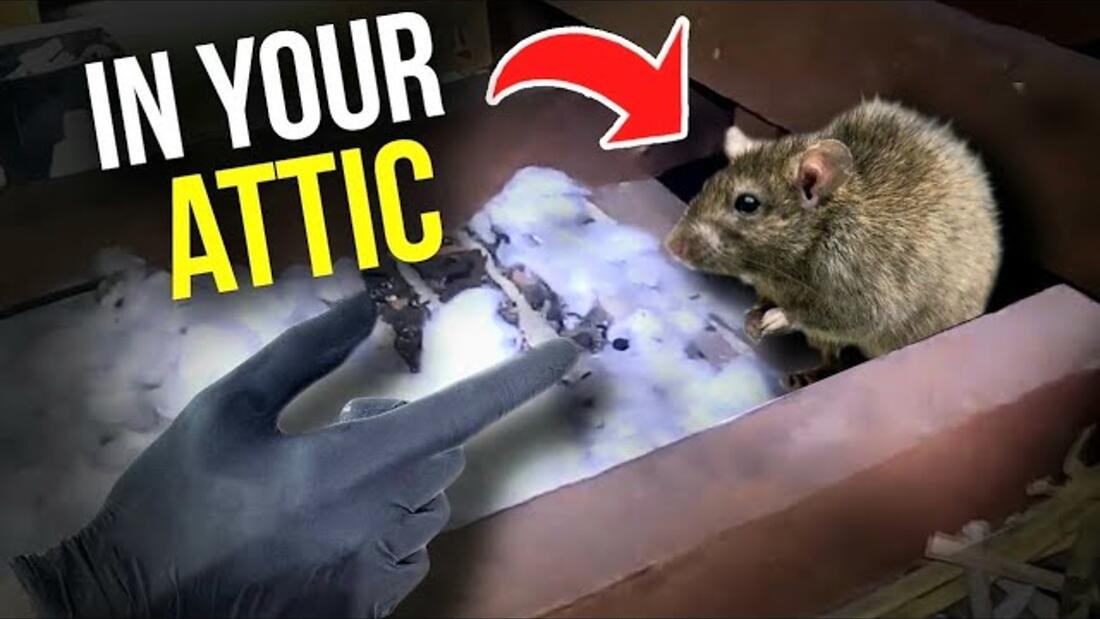
Video: Rodents in your ATTIC!? Here's what you do, from Twin Home Experts.
Common Questions in Land O' Lakes
What callers from Land O' Lakes ask before booking.
Rats, preserves and tile roofs
The preserve behind my house is full of rats. Is there any point sealing?
Sealing is the whole point when the source cannot be removed. Nobody clears a conservation tract, and UF/IFAS gives roof rats a range of about 150 yards from the den, so every house along the fence is inside the colony's circle for as long as the preserve exists. What changes is whether the house admits them. A roofline closed to the quarter-inch standard, with the tile eaves fitted with metal bird stops, leaves the animals with the preserve and nothing else.
Is it safe to do exclusion before trapping?
Safe in the right order, and risky all at once. Closing every opening with animals still inside traps them in the attic and walls, and the ones that die there become a smell and a dead rodent removal job. The professional sequence closes the openings with no active traffic first, traps along the runs still in use, then closes the last runs once activity stops. On a tile roof that means the bird stops go in on the quiet eaves first and the active eave last.
Cost, timing and licensing in Pasco County
How long does it usually take to get rid of rats in a newer house?
Often a couple of weeks on a house with few openings. HomeGuide's national figure is two to three days to trap a small number of animals and one to two months for a severe infestation, and roof rats add time because UF/IFAS advises leaving traps in place at least a week for an animal that distrusts new objects. A 2000s house with one open eave and two vents seals in a visit; the follow-up confirms the attic has gone quiet.
Who is licensed to trap rats in Pasco County?
The same state credential as everywhere in Florida. Trapping rats in, on or under a structure for hire requires at minimum an FDACS Limited Commercial Wildlife Management certificate, and applying rodenticide or running a general pest business requires an FDACS Commercial Structural Pest Control license with a certified operator in General Household Pest and Rodent Control. Every contractor we route into Land O' Lakes holds the FDACS credential the job needs, and the FDACS license lookup confirms it before work starts.
Still have a question? Call (813) 710-4931 and ask.
Nearby Areas We Serve
The same contractors cover the towns around Land O' Lakes, and the service area is the whole of Pasco and Hillsborough County.

Book a Free Inspection in Land O' Lakes
The phone at (813) 710-4931 is answered 24 hours a day, and the inspection of your Land O' Lakes roofline and attic costs nothing. Book it now and get the written list of openings before you commit to any work.