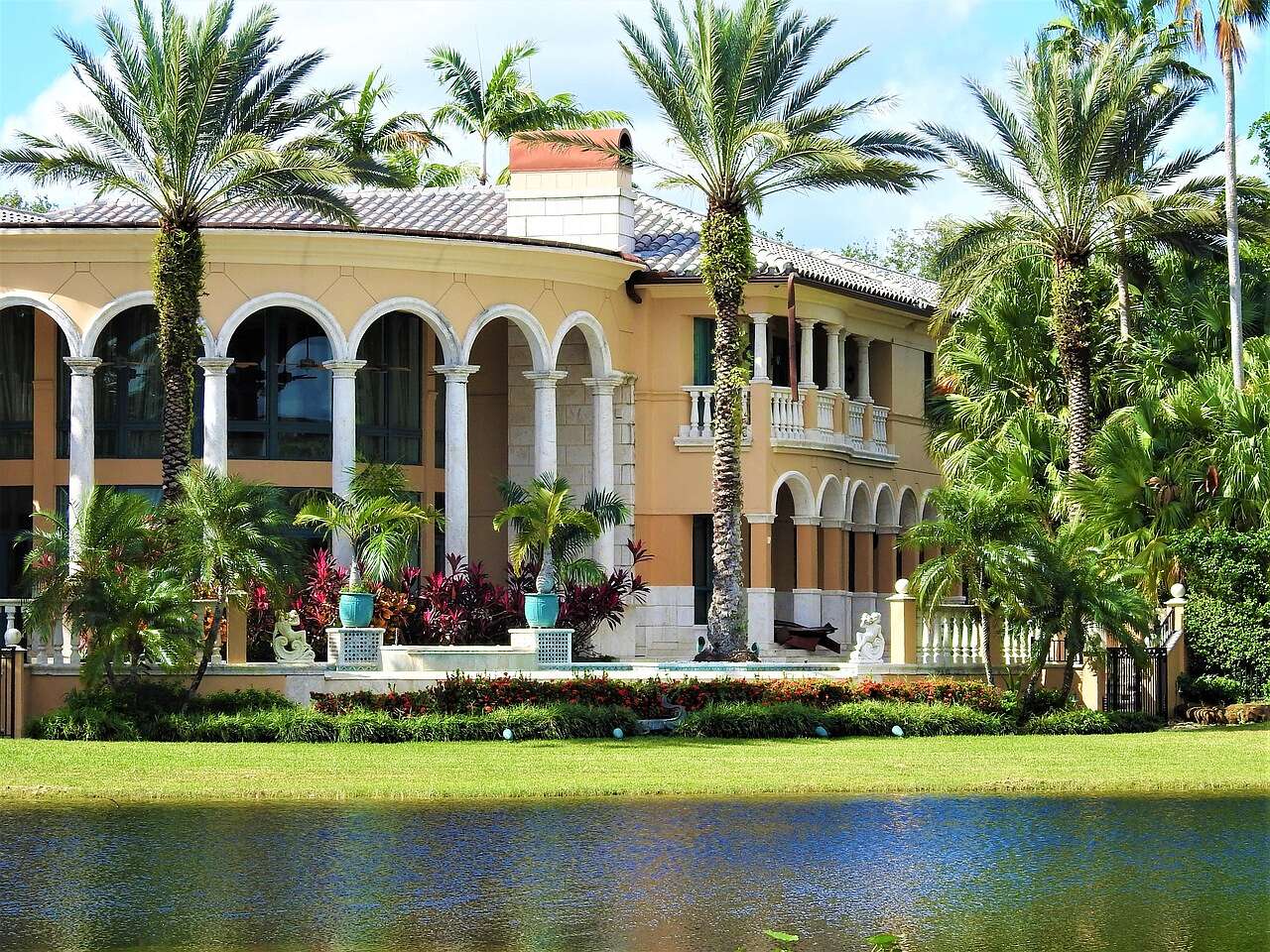
Rodent Removal in Carrollwood, FL
Carrollwood was laid out in 1959 around a spring-fed lake, and sixty years of oak growth now reaches the rooflines of its block homes. One call books a free inspection with an FDACS-licensed contractor who works the roofline first.
- Free roofline and attic inspection
- FDACS-licensed contractors only
- Phone answered 24 hours
Free Inspection in Carrollwood
The free inspection on a Carrollwood house starts at the eaves and works inward. Whoever attends walks the roofline for open soffit returns, gable vents with tired screening, the gaps where the fascia has pulled from the wall, and any oak or palm limb that touches the roof, then goes into the attic with a light to read droppings, rub marks and insulation tunnels. You get a written list of every opening and a plain account of what is living up there before anyone talks about money.
Carrollwood sits in unincorporated Hillsborough County, north of the city along Dale Mabry Highway, which puts it a short drive up from the office at Rivergate Tower downtown. The phone at (813) 710-4931 is answered 24 hours a day, and the lead is routed the moment you hang up. Book a free inspection and tell us what you are hearing and where in the house you hear it.
Sixty-Year-Old Block Homes on Curving Streets Around Lake Carroll
Original Carrollwood is a 1960s subdivision, and its houses have the entry points a 1960s subdivision earns with age. Hillsborough County records the community as founded in 1959 beside spring-fed Lake Carroll, with more than 900 homes built through 1970 on streets that curve to follow the lake's shoreline, and the National Association of Home Builders named it U.S. Subdivision of the Year in 1961. Those houses are concrete block on slab with vented attics, and the soffits, gable vents and fascia boards on many of them are original or were last replaced decades ago.
Age shows up in three places a roof rat uses. Aluminum soffit panels sag and separate from the fascia where a gutter has leaked for years. Gable vent screens rust through or were fitted with plastic mesh that a rat chews in a night. Roof-to-wall joints on the additions and Florida rooms that got tacked on over the decades leave a gap where two roof planes meet. UF/IFAS puts the rat-proofing standard at a quarter inch, and a 1960s soffit return can hold an opening several times that without anyone noticing from the driveway.
The lake matters too. Water within a short walk of every house means a roof rat den never lacks a drink, and UF/IFAS records the species ranging about 150 yards from its nest for food and water. A house two streets back from the shore is inside that radius.
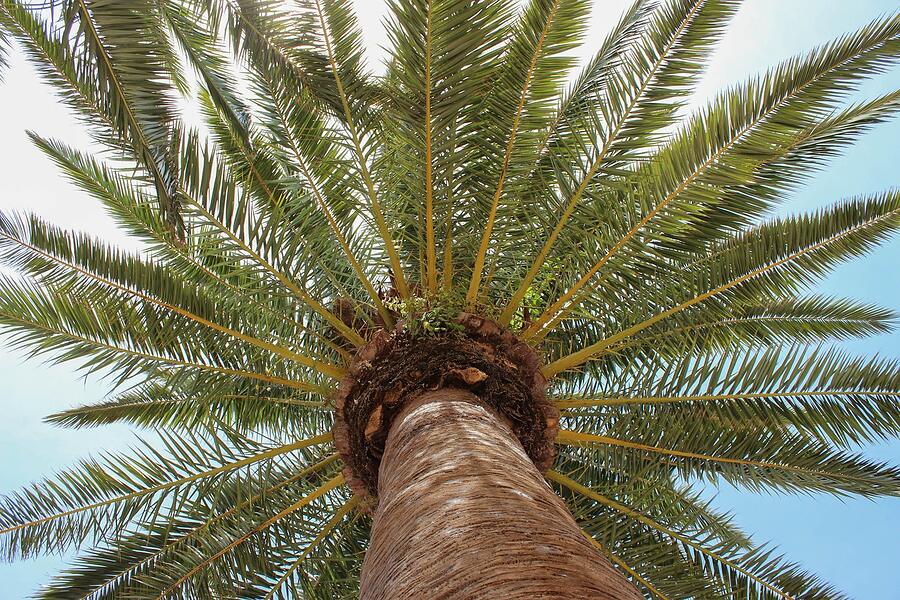
Mature Oaks and Palms Over the Roofs of Carrollwood Village
Carrollwood Village added a 1970s golf-course community west of Dale Mabry, and its canopy has had half a century to close over the rooftops. The village was developed from the early 1970s on land between Gunn Highway and Dale Mabry, with a 27-hole course that became the Carrollwood Country Club at its center and 43 named neighborhoods around the fairways. Its park holds more than 300 trees from around the world, and the residential streets carry the live oaks, laurel oaks and palms that were planted when the lots were cleared.
A roof rat is an arboreal animal. UF/IFAS describes it traveling along branches, utility wires and palm trunks, and a limb resting on a shingle roof is a bridge to the soffit. Golf-course lots add a second condition: the tree line along a fairway is continuous, so a rat colony in a hollow oak or the dead-frond skirt of a palm on the course has a covered route to every house backing onto it. Pruning limbs back off the roof removes the bridge; sealing the roofline is what keeps the next animal out once the branch is gone.
Oranges are the seasonal tell. Carrollwood yards keep a lot of citrus, and hollowed-out fruit still hanging on the tree between September and March means the palm rat, as older residents call it, is feeding within reach of the house. Attic calls in this part of the county climb on the first November cool snap and stay high through February.
What the 2024 Storms Changed on Carrollwood Rooflines
Milton left Carrollwood with downed trees and flooded streets outside any mapped flood zone, and both conditions drive rodent calls for months afterward. Hillsborough County officials met residents at the Carrollwood Cultural Center after the storm, where homeowners described several feet of water at houses the maps said were dry, and photographs from the Carrollwood and Northdale area showed oaks down across yards and roofs. A limb through a soffit or a lifted shingle field is an opening a rat finds within days, and a debris pile left at the curb for weeks is harborage a few feet from the wall.
Flooding does its own work. The CDC ties rises in leptospirosis cases to hurricanes and floods, names rodents among the animals that carry it, and lists rodent control among its recommended steps after floodwater recedes. Standing water in the low streets near the lake displaces ground-nesting animals and pushes them toward the nearest dry structure, which is usually a garage or an attic. A post-storm rodent inspection reads the roof for wind damage and the yard for new harborage at the same time, and the sealing that follows is the same roofline work a Carrollwood house needed before the storm, with the storm openings added to the list.
What We Handle in Carrollwood
The jobs routed in Carrollwood are roofline and attic jobs on block houses built between 1959 and the 1980s, with the lake and the canopy setting the pressure.
- Roof rat removal: trapping the citrus rat that came in along an oak limb or a palm trunk, left in place at least a week because UF/IFAS notes the species is wary of anything new.
- Rodent exclusion: steel mesh at 1960s soffit returns and gable vents, sealed roof-to-wall joints on the additions, and closed utility penetrations, all to the quarter-inch UF/IFAS standard.
- Rodent inspection: the free walk of the roofline and attic that produces the written opening list before any quote.
- Attic cleanup: removing droppings and soiled insulation from attics that have hosted several generations of rats, with respirators worn on general contamination grounds.
- Attic insulation replacement: replacing compressed or urine-soaked batts in older attics, since DOE states compressed and wet insulation fails to deliver its rated R-value.
- Dead rodent removal: locating and removing an animal that died in a wall or above a ceiling, often after a poison-only job by someone else.
- Rodent clearance letters: written confirmation for a sale of an older Carrollwood house where the buyer's inspector flagged droppings in the attic.
A Typical Carrollwood Job
The situation: A common Carrollwood call comes from a 1960s house a few streets back from Lake Carroll. The owner has heard running above the bedroom ceiling every night for two weeks, found oranges on the back tree hollowed out to the peel, and been told by a relative that it is probably a squirrel and nothing to lose sleep over. She has lost sleep over it anyway, and the feeling that something is living in the house has been worse than the noise.
What gets done: The contractor we route walks the roof first and finds the aluminum soffit pulled a full inch from the fascia along the back eave where a gutter has overflowed for years, plus a laurel oak limb resting on the shingles above it. In the attic the droppings are a quarter to half an inch, banana shaped with pointed ends, which UF/IFAS gives as the roof rat signature, and there are rub marks along the top plate leading to the soffit gap. Snap traps go in along that run and stay a week. The soffit gets refastened and backed with steel mesh, the gable vents get metal screen, and the owner books a tree service to take the limb off the roof.
How it turns out: Three animals come out over the first week and the ceiling goes quiet. The follow-up visit finds no new droppings, the last run is sealed, and the owner gets a written list of every opening that was closed. Trapping a small number of animals runs two to three days by HomeGuide's national figure; the sealing is what keeps the next rat from using the same eave.
What This Costs in Carrollwood
A Carrollwood rodent job usually lands in the published Tampa and national bands below, and the free inspection turns the band into a firm itemized quote.
| Work | Tampa (Angi) | National (HomeGuide 2026) |
|---|---|---|
| Inspection | Free with the call | $0 to $175 standalone |
| Trapping and removal | $441 to $1,716 typical, $1,078 average per visit | $250 to $1,200 |
| Full-home exclusion | $550 to $1,642 | $500 to $2,500 |
| Attic cleanup and decontamination | See insulation lines | $600 to $2,500 |
| Insulation removal | $600 to $1,200 | $2.50 to $5.50 per sq ft removed and replaced |
| Insulation replacement | Adds $1,000 to $3,000 | Included in the per-foot band |
| Dead rodent removal | Ask at inspection | $150 to $500 |
The Carrollwood variables are age and canopy. A 1960s house with original soffits and three or four additions has more linear feet of eave to seal than a newer block house of the same size, and that is where an exclusion quote climbs toward the top of the Tampa band. Ask whoever attends to split trapping, sealing and cleanup into separate lines, and ask what the warranty covers and for how long before you sign.
What is moving inside the walls
How noise in a wall cavity gets traced.
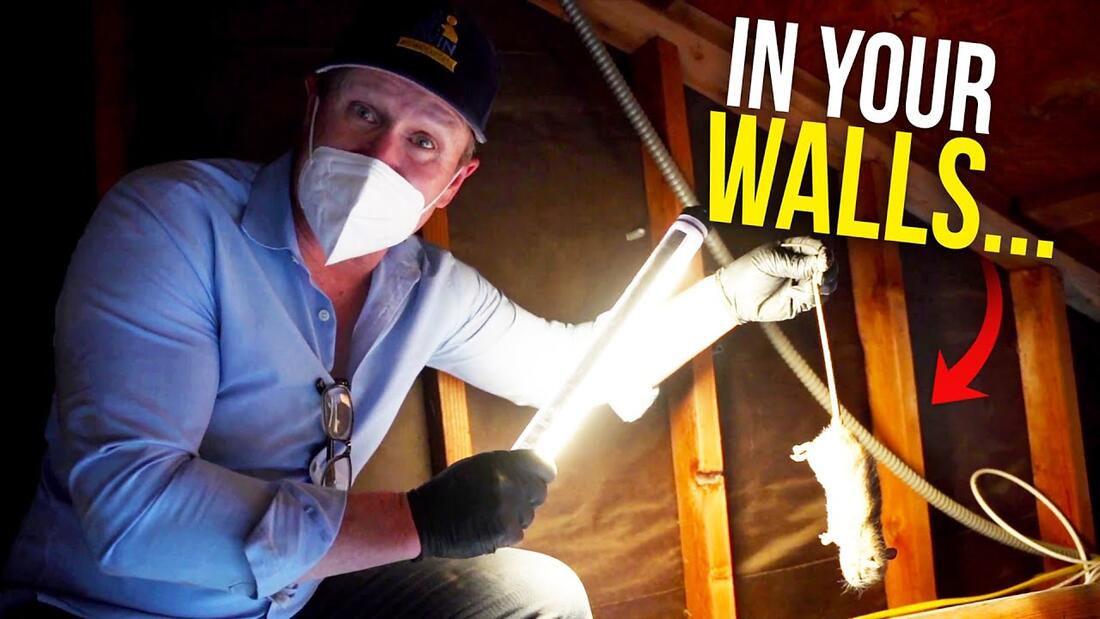
Video: Rodents in your walls? Here's what you do, from Twin Home Experts.
Common Questions in Carrollwood
What callers from Carrollwood ask before booking.
Rats, oaks and lake-front houses
Do I have to cut down the oak to keep rats off my roof?
Rarely the whole tree. UF/IFAS advises isolating trees from roofs, fences and wires because roof rats run along branches and utility lines, so trimming the limbs back off the shingles removes the bridge and leaves the shade. On a Carrollwood golf-course lot the tree line along the fairway is continuous, which is why the sealing of the roofline carries the result. A rat that can no longer get through the soffit return has no use for the branch.
Is it the lake that brings rats to houses near Lake Carroll?
The lake supplies water, and the yards supply food and cover. UF/IFAS records roof rats ranging about 150 yards from the den, so a house two or three streets from the shore is inside a normal foraging radius. Citrus, bird feeders, pet food on the lanai and the dead-frond skirt on an unpruned palm matter more than the water itself. Exclusion on the building settles it regardless of what the neighbors keep in their yards.
Cost, timing and who does the work
How long does it usually take to get rid of rats in an older house?
Longer than a quote often suggests. HomeGuide's national figure is two to three days to trap a small number of animals and one to two months for a severe infestation, and roof rats stretch that because UF/IFAS notes they avoid new objects and advises leaving traps in place at least a week. A 1960s Carrollwood house with several additions may need two sealing visits to close every roof-to-wall joint. Expect a follow-up visit built into any honest plan.
Who is licensed to trap rats in Hillsborough County?
Trapping rats in, on or under a structure for hire requires at minimum an FDACS Limited Commercial Wildlife Management certificate, and applying rodenticide or running a general pest business requires an FDACS Commercial Structural Pest Control license with a certified operator in General Household Pest and Rodent Control. FWC does not license rat and mouse trappers. Every contractor we route holds the FDACS credential the job needs, and you can confirm it through the FDACS license lookup before work starts.
Still have a question? Call (813) 710-4931 and ask.
Nearby Areas We Serve
The same contractors cover the towns around Carrollwood, and the service area is the whole of Hillsborough County.
Book a Free Inspection in Carrollwood
The phone at (813) 710-4931 is answered 24 hours a day, and the inspection of your Carrollwood roofline and attic costs nothing. Book it now and get a written list of every opening before you decide anything.