Rodent Removal in South Tampa and Ballast Point
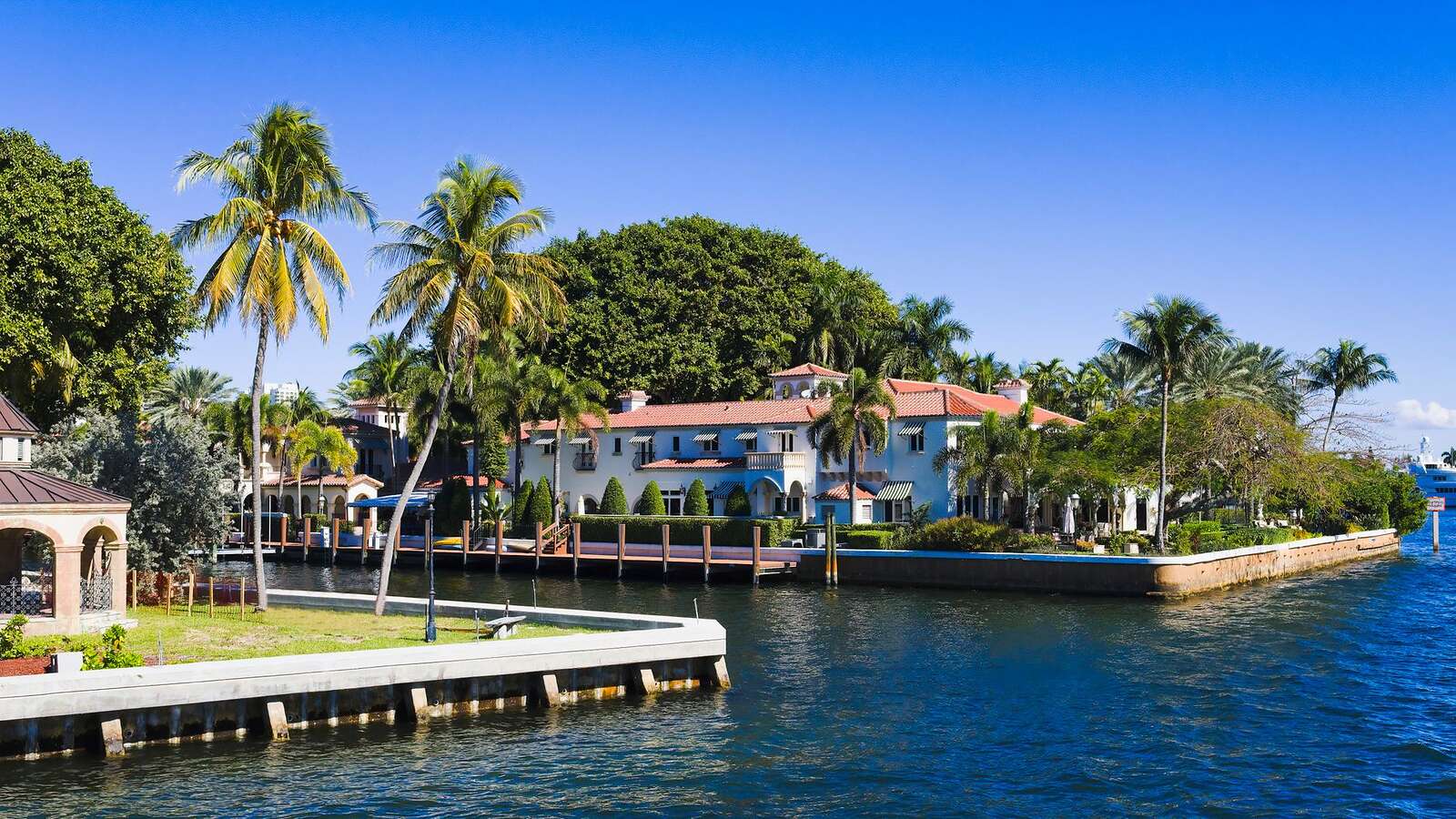
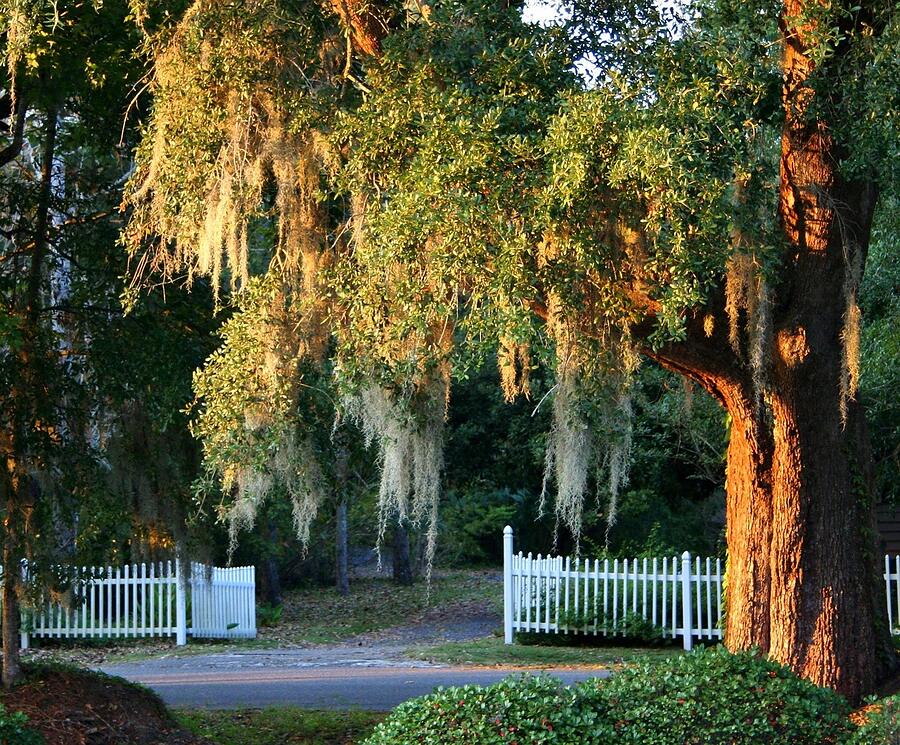
South Tampa and Ballast Point mix older homes under live oaks and Spanish moss with newer tile-roofed builds along the bay, and the 2024 storm surge reached both. Roof rats come by the branch, Norway rats by the ground. The inspection is free.
- Free roofline and ground inspection
- Storm-damaged eaves checked
- FDACS-licensed contractors, itemized
Two kinds of housing, two kinds of roofline
South Tampa and Ballast Point carry two housing types side by side, and each one lets rats in differently. The older homes sit under mature live oaks with Spanish moss on limbs that touch the rooflines, and they have the wood soffits, gable vents and eave returns of their era. The newer and rebuilt houses, many of them along the bay, carry barrel or concrete tile over block and stucco, and the void under the first course of tile is their opening. Both types are slab-on-grade with vented attics, so in both the roofline is where the sealing happens.
On the older stock the work is hardware cloth behind gable vents and steel mesh behind soffit boards. On the tile roofs it is the bird stop, the metal eave closure that fits under the first course, typically 26 gauge galvanized steel or aluminum, which the Department of Energy lists among its recommended tile roof measures. A quote that proposes foam at a tile eave is a quote to question. Roof rat removal on either type starts with a list of every opening, and the list on a tile house runs the length of every eave.
Waterfront exposure brings Norway rats into the picture
Ballast Point and the bayfront streets are where Norway rats appear in South Tampa. Across Tampa the roof rat dominates attic calls, but Norway rats are found in burrows, under slabs, around dumpsters and in the older waterfront areas, and a house near the water can have both. A Norway rat stays low: it burrows beside a slab edge, under a shed or along a seawall, and enters at ground level through a garage seal or a gap at the base of the wall. A roof rat comes off the oak or the fence line and enters at the eave.
The inspection therefore covers two levels on a waterfront property. The roofline gets the usual check, and the perimeter gets walked for burrow openings, disturbed soil at the slab edge and rub marks along the base of the block. Which animal is present decides where traps go and what gets sealed, and the droppings settle it: roof rat droppings are a quarter to half an inch long with pointed ends according to UF/IFAS, and a Norway rat is a heavier, ground-bound animal that leaves burrow spoil behind. Rodent exclusion on a bayfront house closes the ground-level gaps as well as the eaves.
Helene and Milton changed the rodent picture on the bay
The storm surge from Helene in September 2024 and the wind from Milton two weeks later reached South Tampa and Ballast Point directly, and Tampa Bay pest firms reported a surge in rodent calls in the months that followed. Three things happened at once: wind damage opened new roof and soffit entry points, surge and flooding drove ground-dwelling and roof rats out of their harborage and into houses, and the debris piles that sat at the curb for weeks became shelter for them. The same pattern was reported after Ian in 2022 and Irma in 2017.
Tile roofs took a specific kind of damage. The Department of Energy documents storms breaking and displacing roof tiles, with one broken tile cascading into others, and a displaced eave tile can carry the bird stop away with it. Flooding adds a health dimension: the CDC ties increases in leptospirosis cases to hurricanes and floods, names rodents among the reservoirs, and recommends rodent control as part of post-flood prevention. A post-storm rodent inspection on a house that took surge or roof damage in 2024 lists what changed at the eave and at the slab, even if the attic has been quiet.
Live oaks over the older streets
Away from the water, the older South Tampa streets sit under live oaks whose moss-hung limbs rest on rooflines, and that contact is the access route local pest firms name for the area. A roof rat is arboreal and treats the limb as a path to the eave, then follows the eave to a gable vent or a soffit gap. Pruning the limb clear of the roof removes the bridge for a few seasons, and it costs little. The sealing is what makes the pruning count, because a rat that loses one limb finds the fence line or the next oak within its range.
The population grows with or without the noise. UF/IFAS gives roof rats four or five litters a year with five to eight young in each, so the scratching that starts on a November cool snap is usually a family that arrived with the summer rains. Citrus in the yard advances the timetable, since the fruit ripens from September to March and hollowed oranges under the tree are the sign that rats are already on the property.
What the job looks like and what it costs in South Tampa
The job runs inspection, trapping, sealing, follow-up, with the trapping done first so nothing is sealed inside a wall. Snap traps stay in at least a week because roof rats are wary of new objects, and on a waterfront house ground-level traps go at the burrow openings as well. Once the attic and the perimeter are quiet, the roofline gets metal at every opening on the list and the slab-edge gaps get closed. The follow-up visit checks all of it. Every contractor we route holds the FDACS credential the job needs, either the Limited Commercial Wildlife Management certificate for trapping or the structural pest control business license for any rodenticide use, and the FDACS lookup confirms it before work starts.
| Item | Typical band | Source |
|---|---|---|
| Rodent removal, per visit | $441 to $1,716 | Angi, Tampa |
| Exclusion sealing | $550 to $1,642 | Angi, Tampa |
| Attic cleanup and decontamination | $600 to $2,500 | HomeGuide, national |
| Insulation removal and replacement | $2.50 to $5.50 per sq ft | HomeGuide, national |
A tile roof with a full eave closure and a waterfront perimeter both push the exclusion figure toward the top of its band, and the quote should say which parts are driving it. Ask for trapping, sealing, cleanup and follow-up visits on separate lines, and ask what the exclusion warranty covers and for how long. Living with the sound above the ceiling after a storm year is its own kind of exhausting, and a plan with an end to it is what the free inspection produces. Reach us on the contact page or the phone line, answered 24 hours a day.
A representative eave repair on a storm-damaged South Tampa tile roof
A tile eave that lost tiles in Milton often has a bird stop that went with them, and the roofer who replaced the tiles may have left the closure out. A representative repair lifts the replaced tiles at the eave, fits a new galvanized eave closure along the affected run and the runs either side of it, and reseats the tiles over it. The gable vents get steel mesh behind the louvers, and on a bayfront house the visit ends at ground level, where any burrow opening at the slab edge is closed after trapping and the garage door side seals are replaced.
What is moving inside the walls
How noise in a wall cavity gets traced.
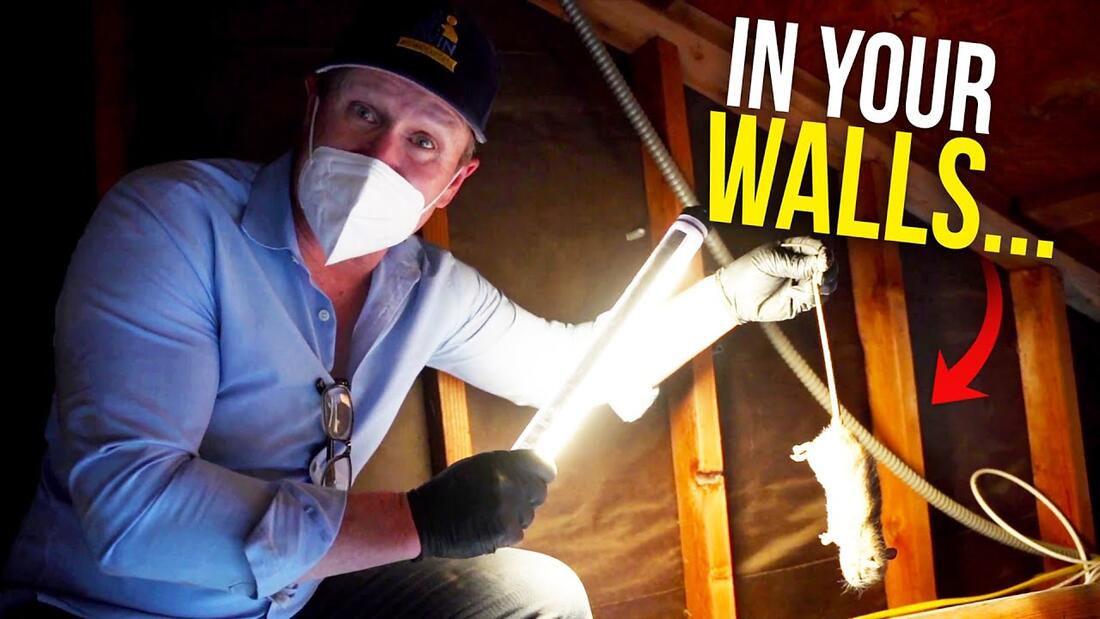
Video: Rodents in your walls? Here's what you do, from Twin Home Experts.
Why South Tampa homeowners book through us
Roofline and ground level, both on the list
A South Tampa inspection covers the eave for roof rats and the perimeter for Norway rats, because a bayfront house can have either or both. The contractor we route identifies the species from droppings and sign before setting traps, closes tile eaves with a metal bird stop and old eaves with steel mesh, and shuts the ground-level gaps on the same job. That is the difference between an attic that stays quiet and one that refills from the seawall.
DOE tile roof guidance: bird stopping among recommended measures
FDACS credential confirmed before the first visit
Trapping rats in a Florida structure for hire requires at minimum an FDACS Limited Commercial Wildlife Management certificate, and applying rodenticide or running a general pest business requires an FDACS structural pest control business license with a certified operator in General Household Pest and Rodent Control. The credential is held by every contractor we route. The FDACS license lookup confirms it, and whoever attends should show it at the door.
FDACS Limited Commercial Wildlife Management certificate, verifiable through the FDACS lookup
Storm-year pricing against published bands
Post-storm demand is when bundled quotes and foam repairs multiply. The contractor we route itemizes trapping, sealing, cleanup and follow-ups against Angi's Tampa bands, $441 to $1,716 per removal visit and $550 to $1,642 for exclusion, and HomeGuide's national band of $600 to $2,500 for attic cleanup. A South Tampa homeowner can then see whether the eave closure is real metalwork and whether the number reflects the house or the season.
Angi Tampa: exclusion $550 to $1,642
A typical South Tampa and Ballast Point call
The situation: A single-story tile-roofed house two streets back from the bay in Ballast Point. The garage took surge in Helene, and Milton took tiles off the rear eave two weeks later. The roof was patched in November, the debris pile sat at the curb until December, and in January the owner starts hearing something along the rear eave at dusk and something else scratching low in the garage wall at night. He assumed the storm was over.
What gets done: The inspection finds two problems. At the roofline, the replaced tiles at the rear eave went on without a bird stop, and there are roof rat droppings in the attic below that run. At ground level, there is a burrow opening in the soil beside the AC pad and rub marks at the base of the garage wall, which is Norway rat sign. Snap traps go into the attic and ground-level traps go at the burrow for ten days. Then a galvanized eave closure is fitted along the rear eave and its neighbors, the gable vents are backed with steel mesh, the burrow is closed and the garage door side seals are replaced.
How it turns out: Three roof rats from the attic and two Norway rats at the burrow in the first week, then nothing. The follow-up confirms the closures and the silence at both levels. The attic insulation under the rear eave is wet from the storm as well as soiled, so the owner has that section removed and replaced as a separate line. The house is quiet before the next hurricane season starts.
South Tampa and Ballast Point rodent questions
These questions come up most often on calls from South Tampa and Ballast Point.
Storms and the bay
My roof was repaired after Milton. Could that have let rats in?
It can, at the eave. The Department of Energy documents storms breaking and displacing roof tiles, and when the eave course is replaced the metal bird stop under it is sometimes left out, which leaves an open void along that run. Tampa Bay pest firms reported a surge in rodent calls after Helene and Milton for exactly this reason, alongside displaced rats and debris harborage. If your tile roof was patched in late 2024, ask for the eave to be checked along its whole length at the free inspection.
Why are there rats at ground level near the water?
Because Norway rats live there. Across Tampa the roof rat is the attic animal, but Norway rats burrow under slabs, beside seawalls and around dumpsters in the older waterfront areas, and surge flooding drives them out of those burrows and toward houses. They enter low, at garage seals and gaps at the base of the wall. The inspection walks the perimeter for burrow openings and disturbed soil, and the traps and sealing for a Norway rat go at ground level. A bayfront house can need both the roofline and the perimeter closed.
The work
What keeps rats away permanently?
Closing the building. There is no repellent, device or plant that does it, and the oaks and the bay are permanent. Every roofline opening gets metal to the quarter-inch UF/IFAS standard, tile eaves get a bird stop, and ground-level gaps get closed after trapping. Pruning limbs off the roof and clearing debris piles and fallen citrus remove the routes and the food. Ask whoever attends what the exclusion warranty covers and how long it runs, because that written term is the closest thing to permanent the work offers.
What does rodent removal cost in South Tampa?
Angi's Tampa data gives a typical per-visit removal range of $441 to $1,716 and exclusion sealing at $550 to $1,642. HomeGuide's national band for attic cleanup and decontamination is $600 to $2,500, and insulation removal and replacement runs $2.50 to $5.50 per square foot. A tile roof needing a full eave closure or a waterfront perimeter with burrows pushes the sealing toward the top of its band. The free inspection produces the figure for your house with each part on its own line.
Still have a question? Call (813) 710-4931 and ask.
Book a free inspection in South Tampa and Ballast Point
The phone is answered 24 hours a day. Tell us whether the sound is at the eave or at ground level, and the contractor we route will check both and price trapping, sealing and any cleanup separately.