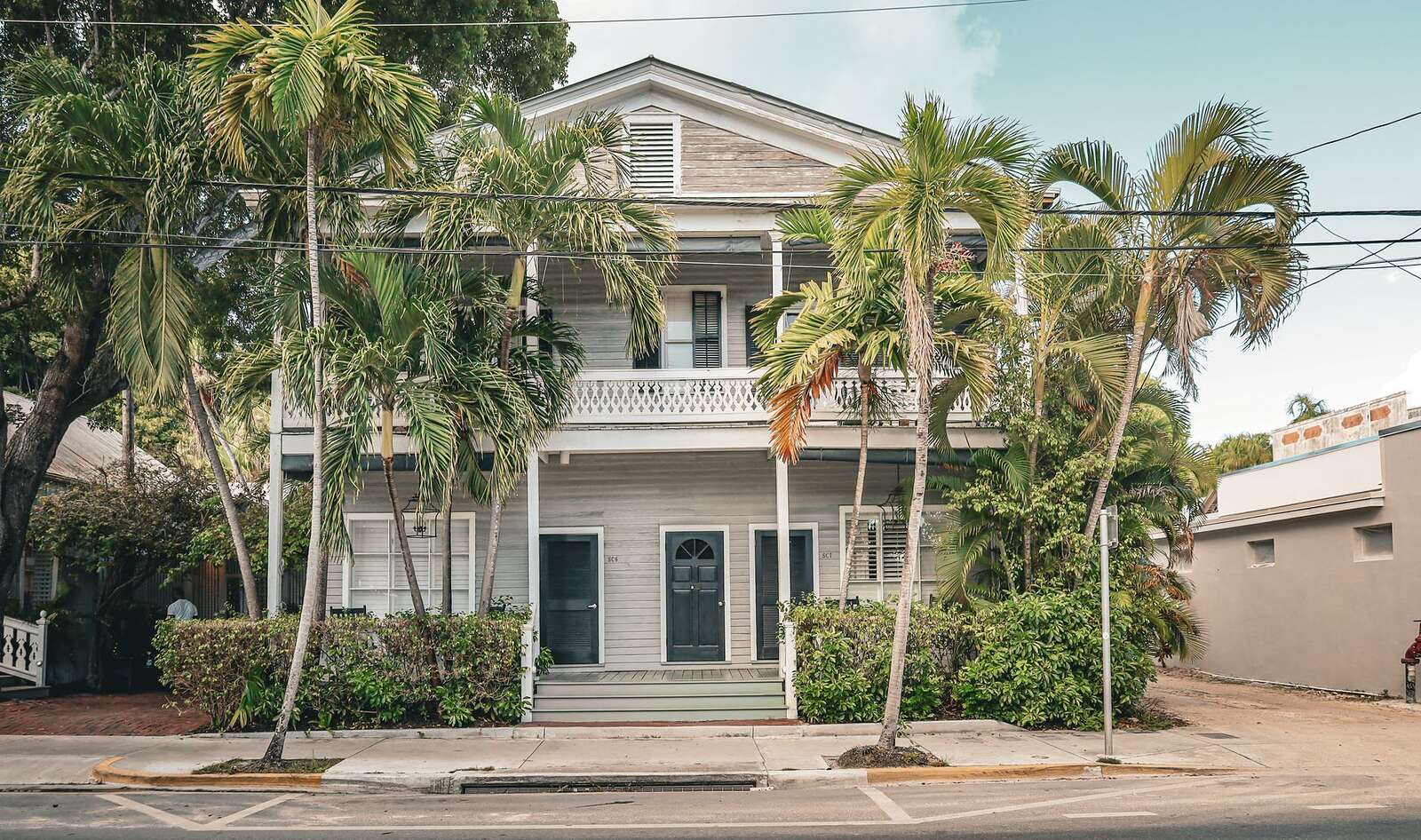
Rodent Removal in Temple Terrace, FL
Temple Terrace was laid out in the 1920s as a golf course community of Mediterranean Revival villas among citrus and oaks, and the oaks now own the rooflines. One call gets a free inspection of the attic, the tile eaves and the trees.
- Free attic and eave inspection
- Phone answered around the clock
- Licensed contractors, itemized quotes
Free Inspection in Temple Terrace
The free inspection in Temple Terrace begins with the trees, because on most streets here the oak canopy touches the roof. Whoever attends traces each limb and cable drop to the point where it meets the house, then checks what is there: the open eave course under barrel tile on a 1920s villa, the aluminum soffit and gable vents on a mid-century block house, the off-ridge vents on a reroofed shingle slope. In the attic the look is for roof rat droppings and rub marks along the rafters and the flattened trails through insulation that show a route in daily use. The findings come back in writing with trapping, sealing and cleanup priced on separate lines.
Temple Terrace sits in northeastern Hillsborough County against Tampa's city line, beside the University of South Florida and a few minutes off Interstate 75, so the drive from the downtown office is short. The phone is answered 24 hours a day. Book a free inspection and say whether the house has a tile roof.
The 1920s Mediterranean Revival villas have a tile eave that needs a bird stop
Temple Terrace was founded in 1920 as one of the first planned golf course communities in the country, with Mediterranean Revival villas designed by Tampa architect M. Leo Elliott and, from 1926, New York architect Dwight James Baum, and the surviving houses carry the barrel tile roofs that style demands. Under the first course of barrel tile there is a half-round void the length of every eave, and the building component that closes it has a name: the bird stop, or eave closure, a code-approved metal part, usually 26 gauge galvanized steel or aluminum and sometimes ventilated with weep holes. The Department of Energy lists installing bird stopping among the measures it recommends for clay and concrete tile roofs. On a century-old villa the original closure has often rusted away or been knocked out by a reroof, and what replaced it, if anything, was a bead of foam.
A roof rat that reaches the eave along an oak limb has an open door there and nothing to chew. The city was the first place in the country where the Temple orange was grown in quantity, and the roof rat carries the name citrus rat in Florida for good reason; the two have shared these streets for a hundred years. Rodent exclusion on a Temple Terrace villa means a proper metal bird stop along every eave, steel mesh at the roof vents and chimney chase, and the same quarter-inch standard UF/IFAS sets for rat-proofing applied at every wall penetration.
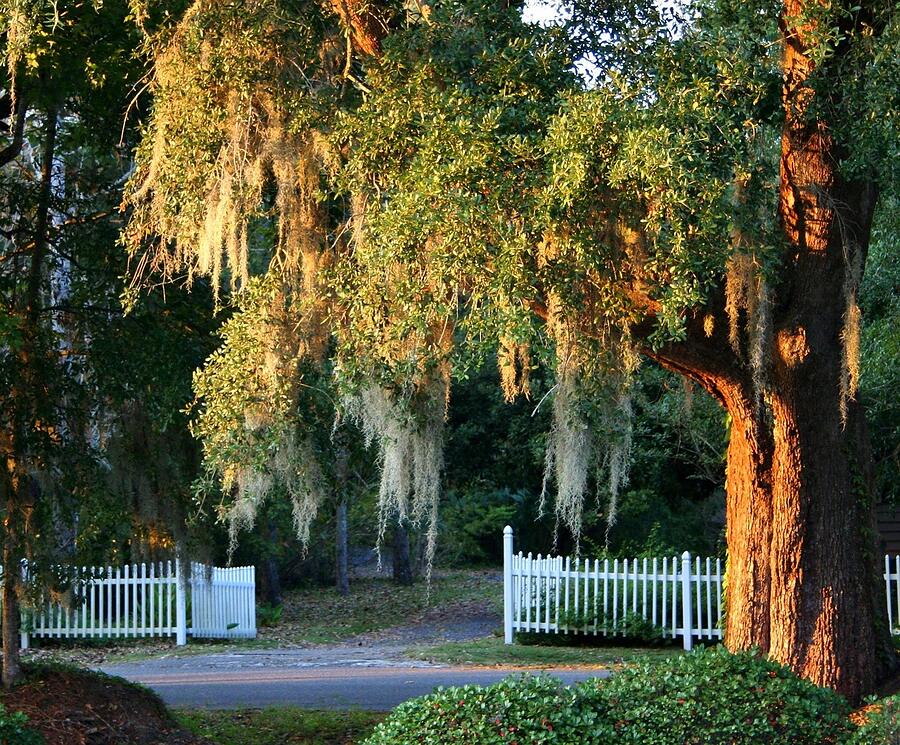
Seven in ten of the city's trees are oaks, and the canopy is the road to the roof
Temple Terrace's oak canopy is the reason its rodent calls run so heavily to roof rats. The city has been a Tree City USA community since 2008, and its inventory of trees on city property found about 2,750 trees of 61 species, seven in ten of them oaks, with the largest a live oak more than five feet through the trunk. The original developers marketed rolling ground along the Hillsborough River under longleaf pine and sand live oak, and the private lots planted since have matched it. Where a limb rests on a roof or a cable drop runs from a trunk to a fascia, an animal UF/IFAS describes as arboreal, traveling along branches and wires, has a route that never touches the ground.
The mid-century block houses that filled in around the golf course and the villas sit under the same canopy with a different roofline: shingle over a trussed attic, aluminum soffit that bends at the corners, gable vents with light screens and off-ridge vents added at the last reroof. On those houses the sealing is steel mesh at each vent and return. The oaks stay. Pruning limbs back off the roof and keeping the drops clear removes the bridge, and the roofline work is what settles the job, which is the sequence behind roof rat removal here.
The Hillsborough River is the city's flood source, and Milton tested the bypass canal
The city names the Hillsborough River, which runs along its eastern and southern edges, as its potential flooding source, and during Hurricane Milton in October 2024 the water management district ran the Tampa Bypass Canal at more than 4 million gallons a minute to hold the river out of Temple Terrace and Tampa while it crested at record levels upstream at Morris Bridge. The canal and the flood detention area did their work, and the city's storm impact was mostly wind, power loss and the debris a heavy canopy sheds in a hurricane. Every limb that came down across a roof scraped a soffit or lifted a vent hood on the way, and the piles at the curb were shelter for weeks.
The CDC connects hurricanes and floods with rises in leptospirosis, lists rodents among the reservoirs, and recommends rodent control as post-flood prevention, and the Department of Energy documents storms breaking and displacing roof tiles, with one broken tile cascading into the tiles around it. A Temple Terrace villa that lost tile in Milton has openings it did not have before. A post-storm rodent inspection walks the eave line and the attic before the first cool snap brings the noise.
What We Handle in Temple Terrace
Temple Terrace calls are mostly roof rats coming off the oaks into tile-roofed villas and mid-century block houses, and the work is trapping plus eave and vent closure done to a standard the house deserves.
- Roof rat removal: trapping along the rafters of a 1920s villa or a block ranch, with traps left at least a week because UF/IFAS notes roof rats shy from new objects.
- Rodent exclusion: metal bird stops along barrel tile eaves, steel mesh at gable, ridge and off-ridge vents, soffit corners and the chimney chase, and sealed wall penetrations.
- Rodent inspection: free, covering the attic, every eave and vent, and the oak limbs and cable drops that reach the roof, with a written plan.
- Attic cleanup: droppings and fouled insulation removed from an attic that has carried rats through several citrus seasons under the canopy.
- Attic insulation replacement: new fill where the runs have packed the old insulation flat, since the Department of Energy states compressed insulation falls short of its rated R-value.
- Dead rodent removal: locating and removing the animal that died in a wall cavity or above a plaster ceiling after bait was used without sealing.
- Rodent clearance letters: a written inspection finding for the sale of a historic house where the buyer's inspector noted droppings in the attic.
A Typical Temple Terrace Job
The situation: A retired couple in a tile-roofed villa on a street backing onto the golf course hear scampering above the bedroom every night from the first cold snap in late November, and have found gnawed oranges under the tree by the patio. A live oak limb rests on the roof above the rear eave. Their daughter told them the noise was probably the house settling. Neither has slept through since Thanksgiving.
What gets done: The inspection finds no bird stop along the rear eave, foam crumbling out of the eave course on the front, an open chimney chase, and roof rat droppings and rub marks along the rafters above the bedroom. The contractor we route fits metal eave closures along every eave except the active rear run, screens the chimney chase in steel mesh, and sets traps along the rafters and at the rear eave, returning after a week to clear the traps and close the last run. The couple have the limb pruned back off the tile.
How it turns out: The scampering stops within the first ten days, the follow-up finds no fresh droppings, and the closures are photographed for the report. The eave line looks as it did the day the house was built, and the bedroom is quiet again.
What This Costs in Temple Terrace
Temple Terrace jobs price inside the Tampa and national bands below, with tile eave closure the line that moves the figure most.
| Work | Tampa (Angi) | National (HomeGuide 2026) |
|---|---|---|
| Inspection | Free | $0 to $175 bought alone |
| Trapping and removal | A typical visit runs $441 to $1,716 and the Tampa average is about $1,078 | $250 to $1,200 |
| Whole-house exclusion | $550 to $1,642 | $500 to $2,500 |
| Attic cleanup and decontamination | Confirmed at inspection | $600 to $2,500 |
| Insulation removal | $600 to $1,200 | $2.50 to $5.50 per square foot removed and replaced |
| Insulation replacement | Another $1,000 to $3,000 | Inside the per-foot figure |
| Dead rodent removal | Confirmed at inspection | $150 to $500 |
A villa with barrel tile on every eave has more linear feet of closure than a block ranch and lands toward the top of the exclusion band; the closure is a manufactured metal part, and the price should say so. Ask whoever attends for the eave work as its own line, how many follow-up visits the trapping includes, and what the sealing warranty covers in writing.
What is moving inside the walls
How noise in a wall cavity gets traced.
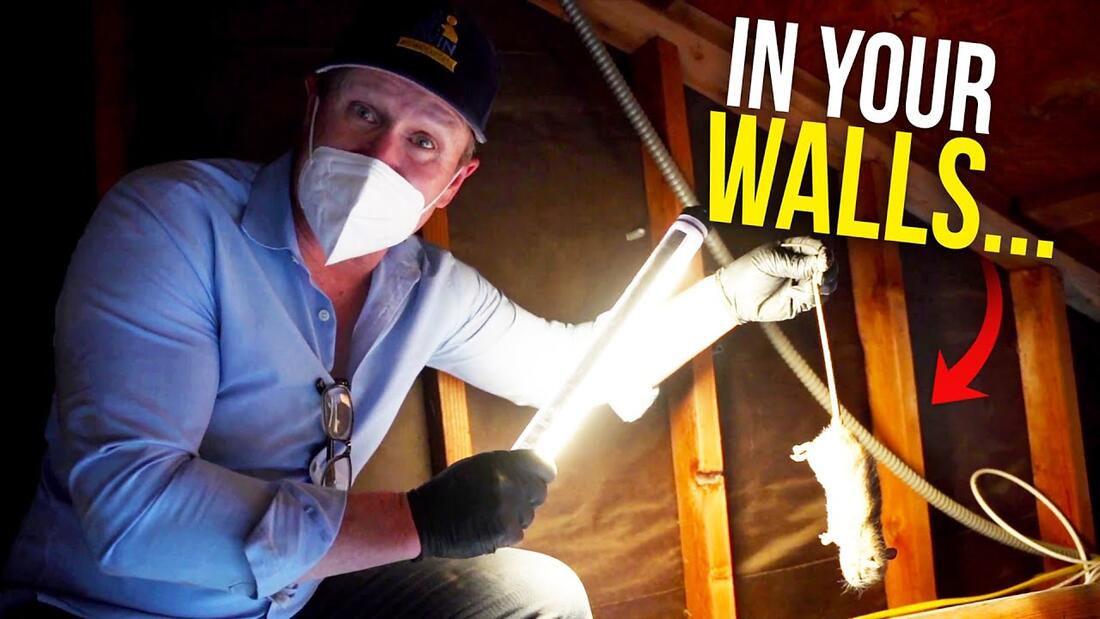
Video: Rodents in your walls? Here's what you do, from Twin Home Experts.
Common Questions in Temple Terrace
What callers from Temple Terrace ask before booking.
Tile roofs and oaks
What is the cheapest way to get rid of rats in a tile-roofed house?
The cheapest job that lasts is trapping plus a proper metal bird stop along the eaves, priced separately and done once. Foam in the eave course is cheaper on the day and a roof rat chews through it in a night, so the trapping repeats every winter. The Angi Tampa exclusion band runs $550 to $1,642, and a Temple Terrace villa with tile on every eave sits toward the upper end because of the linear feet involved. Ask for the eave closure as its own line so you can see what the component costs against the trapping.
Should I cut the oak back to stop them?
Prune the limbs off the roof and keep the cable drops clear; the tree itself can stay. Roof rats travel along branches and wires and can range about 150 yards from where they nest, per UF/IFAS, so a neighbor's oak or citrus is inside the radius whatever you do on your own lot. The house is closed at the eaves and vents regardless of what grows around it, and that is the part that holds. Temple Terrace also has tree rules for larger trees, so check with the city before any heavy cut.
Getting it done
How long does it usually take to get rid of rats in a Temple Terrace attic?
Most jobs here run two to three weeks from the first visit to the last eave closed. HomeGuide puts trapping a few animals at two to three days and a severe infestation at one to two months, and UF/IFAS advises leaving traps in place at least a week because roof rats are wary of anything new. A villa that has carried rats through several citrus seasons, with runs worn into the insulation, sits toward the longer end. The eave closure is what stops the timeline repeating next November.
What license should the contractor hold in Hillsborough County?
Trapping rats or mice in, on or under a structure for hire in Florida requires at minimum an FDACS Limited Commercial Wildlife Management certificate, and applying rodenticide or running a general pest business requires an FDACS structural pest control business license with a certified operator in General Household Pest and Rodent Control. Every contractor we route into Temple Terrace holds the credential the job needs. Check it through the FDACS license lookup before work starts and ask for the insurance certificate, which matters on a roof of century-old tile.
Still have a question? Call (813) 710-4931 and ask.
Nearby Areas We Serve
The same contractors cover the towns around Temple Terrace, and the service area is the whole of Hillsborough County.
Book a Free Inspection in Temple Terrace
A free inspection on a Temple Terrace house walks the eaves, the attic and the oaks that reach the roof, and the written plan prices each step before anyone starts. The phone is answered 24 hours a day.